
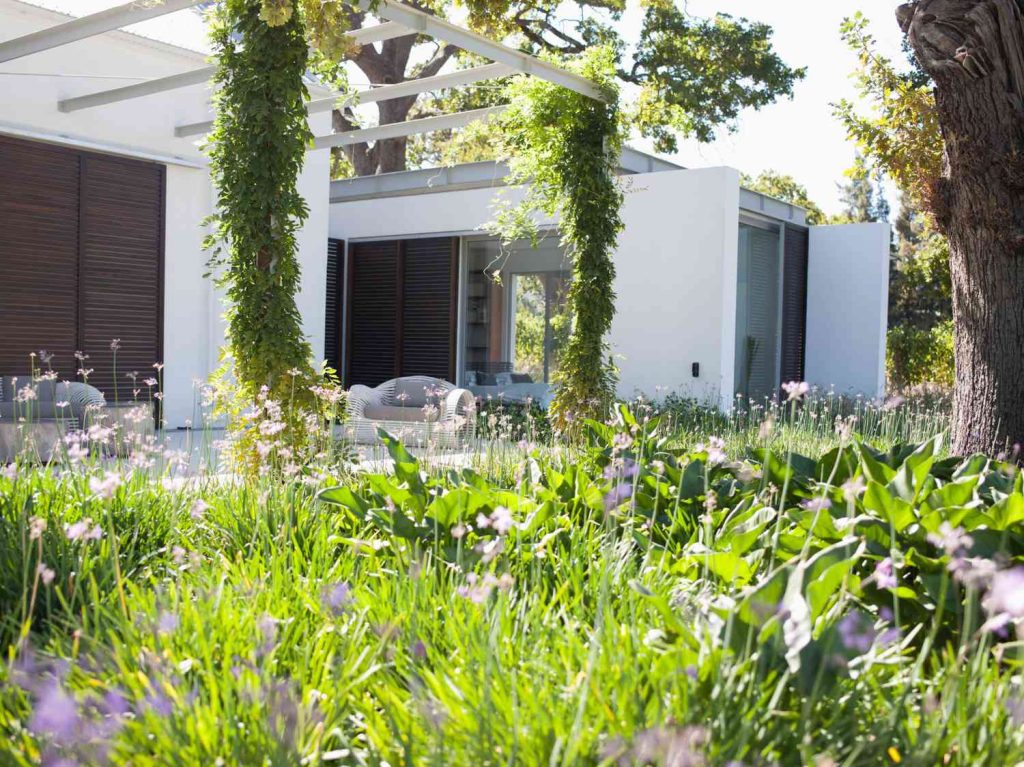
Sustainable Lawn Alternatives: Transforming Your Yard for a Greener Future
Traditional turf lawns, while aesthetically pleasing, come with significant environmental costs. They require extensive water, frequent mowing, and the use of chemical fertilizers and pesticides, all of which contribute to pollution and resource depletion. Sustainable lawn alternatives offer a way to maintain a beautiful yard while reducing environmental impact. This article explores various eco-friendly options, their benefits, and how to transition to a more sustainable landscape.
The Environmental Impact of Traditional Lawns
Maintaining a traditional lawn involves several practices that are harmful to the environment:
- Water Usage: Lawns require significant amounts of water, especially in arid regions. This puts a strain on local water supplies and can exacerbate drought conditions.
- Chemical Use: Fertilizers, herbicides, and pesticides used on lawns can leach into the soil and waterways, harming wildlife and polluting drinking water sources.
- Air Pollution: Gas-powered lawn mowers and other equipment emit pollutants, including carbon monoxide, volatile organic compounds (VOCs), and nitrogen oxides, contributing to air pollution and climate change.
- Biodiversity Loss: Monoculture lawns provide little habitat or food for wildlife, reducing biodiversity in urban and suburban areas.
Benefits of Sustainable Lawn Alternatives
Switching to sustainable lawn alternatives offers numerous ecological and practical benefits:
- Water Conservation: Many alternatives require significantly less water than traditional turf, helping to conserve this precious resource.
- Reduced Chemical Use: Sustainable options often need little to no chemical inputs, reducing pollution and promoting healthier ecosystems.
- Lower Maintenance: Alternatives such as groundcovers and no-mow grasses reduce the need for frequent mowing and other maintenance tasks.
- Biodiversity Support: Native plants, wildflowers, and other alternatives provide habitat and food for pollinators, birds, and other wildlife.
- Improved Soil Health: Many alternatives improve soil structure and fertility, reducing erosion and promoting healthy plant growth.
Popular Sustainable Lawn Alternatives
1. Groundcovers
Groundcovers are low-growing plants that spread across the ground, creating a dense mat. They are excellent for replacing traditional turf in areas where foot traffic is light.
- Creeping Thyme (Thymus serpyllum): A fragrant, sun-loving perennial that produces tiny purple flowers in summer, attracting pollinators. It requires little water and no fertilizer.
- Clover (Trifolium repens): Drought-tolerant and nitrogen-fixing, clover creates a lush, green carpet with white to pinkish flowers. It requires no mowing or fertilization.
- Corsican Mint (Mentha requienii): An aromatic groundcover that thrives in shade and produces delicate lilac blossoms. It requires regular watering and some fertilization but is a good no-mow option.
2. Native Plants
Native plants are adapted to local conditions and provide essential habitat and food for local wildlife. They require minimal maintenance and are less likely to become invasive.
- Eastern Red Columbine (Aquilegia canadensis): A native wildflower that attracts hummingbirds and bees.
- Purple Coneflower (Echinacea purpurea): A hardy perennial that provides nectar for pollinators and seeds for birds.
- Serviceberry (Amelanchier spp.): A small tree or shrub that produces edible berries and provides habitat for birds.
3. Wildflower Meadows
Wildflower meadows are a beautiful and low-maintenance alternative to traditional lawns. They support a wide range of pollinators and other wildlife.
- Creating a Meadow: Start by removing existing turf and sowing a mix of native wildflower seeds. Mow once a year to prevent woody plants from taking over.
- Benefits: Wildflower meadows require little water, no fertilizers, and minimal maintenance. They provide a stunning display of colors and support biodiversity.
4. No-Mow and Low-Mow Grasses
These grasses are designed to grow slowly and require less frequent mowing, making them a more sustainable option for lawns.
- Buffalograss (Bouteloua dactyloides): A warm-season grass that is drought-tolerant and requires minimal mowing.
- No-Mow Fescue (Festuca spp.): A cool-season grass that forms a dense, low-growing turf and requires little maintenance.
5. Rock Gardens
Rock gardens use stones, gravel, and drought-tolerant plants to create a visually appealing and low-maintenance landscape.
- Designing a Rock Garden: Incorporate a variety of rocks and gravel with drought-tolerant plants such as succulents, ornamental grasses, and groundcovers.
- Benefits: Rock gardens require no mowing, minimal watering, and provide excellent drainage.
6. Rain Gardens
Rain gardens are designed to capture and filter rainwater, reducing runoff and promoting groundwater recharge.
- Creating a Rain Garden: Choose a low-lying area in your yard and plant it with native, water-tolerant plants. Ensure proper soil preparation and drainage.
- Benefits: Rain gardens reduce water pollution, provide habitat for wildlife, and enhance the beauty of your landscape.
How to Transition to Sustainable Lawn Alternatives
Transitioning to a sustainable lawn can be done gradually or all at once, depending on your preferences and resources.
Step-by-Step Transition
- Assess Your Yard: Evaluate your current lawn, soil conditions, sunlight, and water availability.
- Plan Your Design: Decide which sustainable alternatives you want to incorporate and where they will go. Consider factors such as foot traffic, aesthetic preferences, and maintenance requirements.
- Remove Existing Turf: Use methods such as sheet mulching, solarization, or manual removal to eliminate existing grass.
- Prepare the Soil: Amend the soil as needed to improve drainage and fertility. This may involve adding compost, sand, or other organic matter.
- Plant Your Alternatives: Follow planting guidelines for your chosen alternatives, ensuring proper spacing and care.
- Maintain Your New Landscape: Water new plantings until established, then reduce watering as needed. Monitor for weeds and pests, and perform any necessary maintenance tasks.
Gradual Transition
If you prefer a more gradual approach, consider the following strategies:
- Start Small: Replace a portion of your lawn with a sustainable alternative each year.
- Create Zones: Designate specific areas for different alternatives, such as a wildflower meadow in one section and a rock garden in another.
- Incorporate Eco-Friendly Practices: Begin using organic fertilizers, reducing mowing frequency, and conserving water in your existing lawn areas.
Overcoming Challenges
Transitioning to sustainable lawn alternatives can present some challenges, but these can be overcome with careful planning and persistence.
Homeowner Association (HOA) Restrictions
Many HOAs have strict landscaping guidelines that may conflict with sustainable practices. To address this:
- Review HOA Rules: Understand the specific restrictions and identify areas of flexibility.
- Educate and Advocate: Share information about the benefits of sustainable landscaping with HOA board members and neighbors.
- Propose Demonstration Projects: Suggest small-scale projects to showcase the beauty and benefits of sustainable alternatives.
Aesthetic Concerns
Some homeowners worry that sustainable alternatives may not look as neat and tidy as traditional lawns. To maintain an attractive appearance:
- Use Defined Borders: Create clear edges and pathways to give a sense of order and intentionality.
- Incorporate Hardscaping: Add elements such as stone paths, benches, and garden art to enhance visual appeal.
- Choose Attractive Plants: Select plants with appealing colors, textures, and forms to create a visually pleasing landscape.
Wildlife Conflicts
Attracting wildlife can sometimes lead to conflicts, such as damage to plants or gardens. To minimize issues:
- Use Barriers: Install fencing or netting to protect vulnerable areas.
- Implement Deterrents: Use natural deterrents such as motion-activated sprinklers or repellents to discourage unwanted wildlife.
- Educate and Coexist: Learn about local wildlife and find ways to coexist peacefully, such as planting wildlife-friendly areas away from high-traffic zones.
Conclusion
Sustainable lawn alternatives offer a practical and environmentally friendly way to maintain a beautiful yard while reducing resource use and supporting biodiversity. By choosing options such as groundcovers, native plants, wildflower meadows, no-mow grasses, rock gardens, and rain gardens, homeowners can create vibrant, low-maintenance landscapes that benefit both people and the planet.
Transitioning to a sustainable lawn may require some initial effort and planning, but the long-term benefits are well worth it. With reduced water usage, lower maintenance requirements, and enhanced support for local wildlife, sustainable lawn alternatives provide a greener, healthier future for our communities and the environment.
By embracing these alternatives, we can collectively reduce the environmental impact of traditional lawns and create more resilient, sustainable landscapes that thrive in harmony with nature.
Citations: [1] https://www.lawnstarter.com/blog/lawn-care-2/eco-friendly-grass-alternatives/ [2] https://lawnlove.com/blog/eco-friendly-grass-alternatives/ [3] https://www.marthastewart.com/8116129/grass-lawn-alternatives [4] https://www.rockethomes.com/blog/homeowner-tips/lawn-alternatives [5] https://www.ecohome.net/guides/3402/grass-lawn-alternatives-eco-friendly-bee-friendly/