
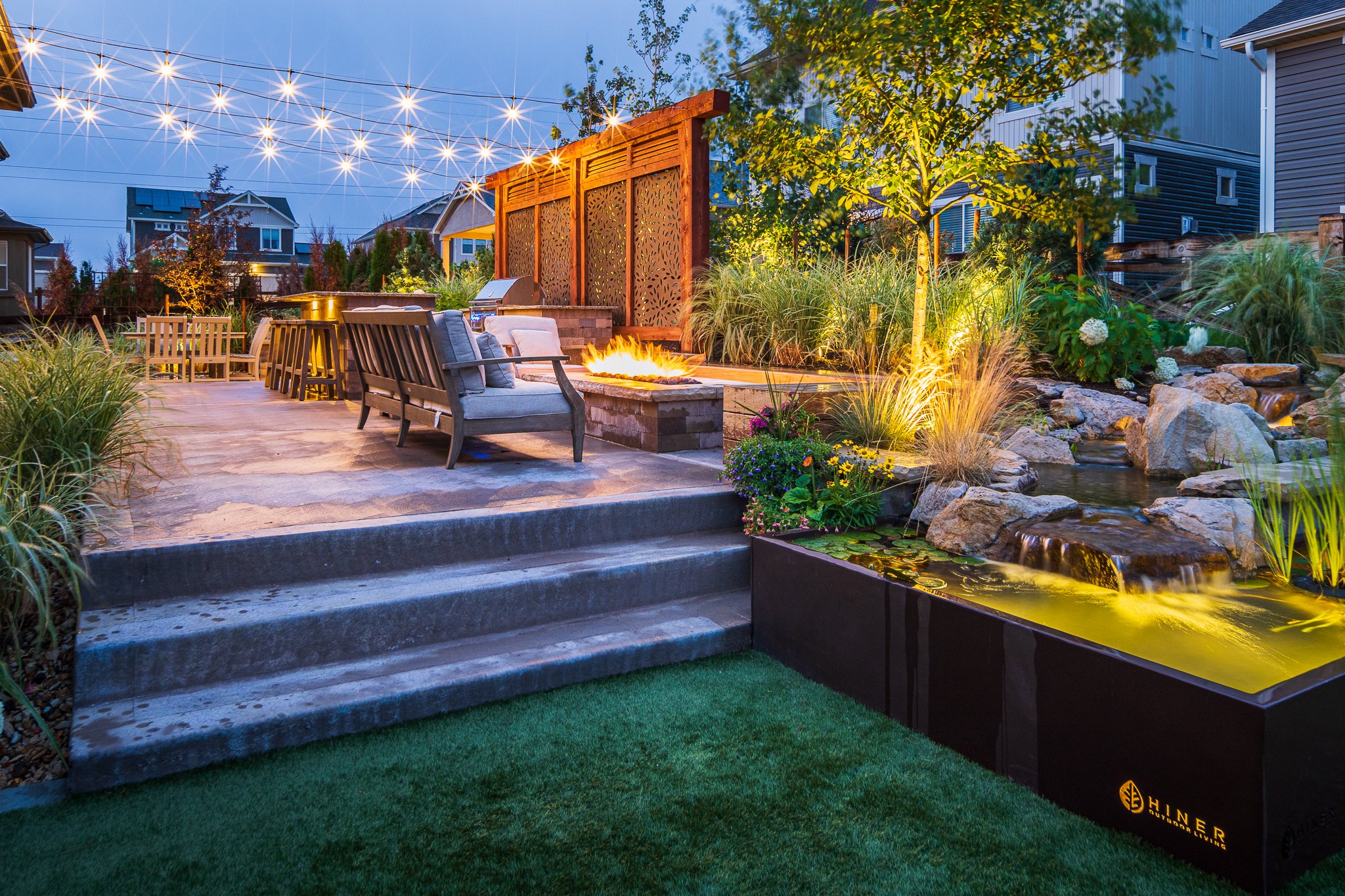
Residential Landscape Design: Creating Your Perfect Outdoor Space
Key Takeaways:
- Residential landscape design is a blend of art and science that transforms outdoor spaces into functional and aesthetically pleasing environments.
- Understanding your site's characteristics, including climate, soil, and existing features, is crucial for successful landscape design.
- A well-designed landscape incorporates various elements such as hardscaping, softscaping, water features, and lighting to create a cohesive outdoor living space.
- Sustainable landscaping practices can reduce maintenance, conserve resources, and benefit the environment.
- Proper planning and budgeting are essential for a successful landscape design project.
- Regular maintenance is key to preserving the beauty and functionality of your landscape over time.
Have you ever looked out your window and felt that your outdoor space was missing something? Perhaps you've dreamed of a lush garden, a cozy patio for entertaining, or a tranquil water feature to enjoy after a long day. If so, you're not alone. Many homeowners yearn to transform their outdoor spaces into beautiful, functional extensions of their homes. This is where residential landscape design comes into play.
Residential landscape design is the art and science of arranging and modifying the features of a yard, garden, or other outdoor space for aesthetic or practical purposes. It's about creating harmony between nature and architecture, between the indoors and outdoors. A well-designed landscape not only enhances the beauty of your property but also improves your quality of life by providing spaces for relaxation, entertainment, and connection with nature.
In this comprehensive guide, we'll explore the world of residential landscape design, from understanding the basics to implementing advanced techniques. Whether you're a homeowner looking to revamp your yard or a budding landscape designer, this article will provide you with valuable insights and practical tips to create stunning outdoor spaces.
Understanding the Basics of Landscape Design
Before diving into the specifics of residential landscape design, it's essential to grasp some fundamental concepts that form the foundation of any successful landscape project.
Site Analysis
The first step in any landscape design project is a thorough site analysis. This involves assessing various factors that will influence your design choices:
Climate: Understanding your local climate is crucial. Factors like temperature ranges, rainfall, sunlight exposure, and wind patterns will affect plant selection and placement.
Soil: The type and quality of soil in your yard will determine which plants will thrive. Conduct a soil test to determine its pH level and nutrient content. You can get soil testing kits from your local garden center or through services provided by cooperative extension offices.
Topography: The lay of the land, including slopes and drainage patterns, will influence your design choices and may require special considerations for erosion control or water management.
Existing Features: Take note of existing structures, trees, and other landscape elements that you want to keep or work around.
Views: Identify both desirable views you want to enhance and less appealing views you might want to screen.
Utilities: Be aware of underground utilities, septic systems, and other infrastructure that may limit where you can dig or build.
Design Principles
Successful landscape designs incorporate several key principles:
Unity: This principle ensures that all elements in your landscape work together harmoniously. Use repetition of colors, shapes, or materials to create a cohesive look.
Balance: Balance can be symmetrical (formal) or asymmetrical (informal). It creates a sense of equilibrium in the landscape.
Proportion: This refers to the size relationship between different elements in your landscape. Ensure that features are properly scaled to each other and to your home.
Rhythm: Create visual rhythm through repetition of elements and gradual transitions.
Focal Points: Use striking elements to draw the eye and create interest in your landscape.
Contrast: Incorporate contrasting colors, textures, and forms to add visual interest and depth to your design.
Functionality
While aesthetics are important, your landscape should also be functional. Consider how you want to use your outdoor space:
- Do you need a play area for children?
- Are you interested in growing your own vegetables?
- Do you enjoy outdoor entertaining?
- Do you want to create a peaceful retreat for relaxation?
Your answers to these questions will guide your design choices and help you create a landscape that meets your specific needs and lifestyle.
Elements of Residential Landscape Design
Now that we've covered the basics, let's explore the various elements that make up a residential landscape design.
Hardscaping
Hardscaping refers to the non-living elements in your landscape. These structures provide the backbone of your design and create usable outdoor living spaces. Common hardscaping elements include:
Patios and Decks: These provide space for outdoor dining, lounging, and entertaining. Choose materials that complement your home's architecture and withstand your local climate.
Walkways and Paths: These guide movement through your landscape and connect different areas. Materials can range from natural stone to pavers or gravel.
Retaining Walls: These are both functional (for managing slopes and erosion) and decorative. They can also create raised planting beds or seating areas.
Fences and Gates: These provide privacy, security, and can be decorative elements in their own right.
Pergolas and Arbors: These structures add vertical interest and can support climbing plants, creating shaded areas in your landscape.
When planning your hardscaping, consider using sustainable materials like permeable pavers that allow water to seep into the ground, reducing runoff. The Interlocking Concrete Pavement Institute offers resources on sustainable paving options.
Softscaping
Softscaping encompasses the living elements of your landscape, primarily plants. A well-planned plant palette can provide year-round interest, attract wildlife, and create a sense of place. Key considerations for softscaping include:
Trees: These provide shade, privacy, and structure to your landscape. Choose a mix of deciduous and evergreen trees for year-round interest.
Shrubs: Use shrubs to create hedges, privacy screens, or as foundation plantings around your home.
Perennials and Annuals: These add color and texture to your landscape. Perennials return year after year, while annuals allow you to change up your color scheme each season.
Groundcovers: These low-growing plants can replace grass in shady areas or on slopes where mowing is difficult.
Ornamental Grasses: These add movement and texture to your landscape and can be especially striking in fall and winter.
Native Plants: Incorporating native plants can create a sense of place and provide habitat for local wildlife. They're often more resistant to pests and diseases and require less maintenance. The Lady Bird Johnson Wildflower Center has an extensive database of native plants by region.
When selecting plants, consider their mature size, growth rate, sunlight and water requirements, and how they'll look in different seasons.
Water Features
Water features can add a sense of tranquility and serve as focal points in your landscape. Options include:
Ponds: These can be home to fish and aquatic plants, creating a mini ecosystem in your yard.
Fountains: Available in various styles, fountains add the soothing sound of running water to your landscape.
Streams and Waterfalls: These create a more naturalistic water feature and can be combined with ponds.
Rain Gardens: These are planted depressions designed to capture and filter rainwater runoff from roofs, driveways, and other hard surfaces.
When incorporating water features, consider maintenance requirements and water conservation. Recirculating pumps and rainwater harvesting systems can make your water features more sustainable.
Lighting
Landscape lighting extends the usability of your outdoor spaces into the evening hours and enhances the beauty of your landscape after dark. Types of landscape lighting include:
Path Lighting: Illuminates walkways for safety and guidance.
Accent Lighting: Highlights specific landscape features or architectural elements.
Task Lighting: Provides illumination for specific activities like cooking or reading.
Ambient Lighting: Creates overall soft illumination for atmosphere.
Consider using energy-efficient LED lights and solar-powered options to reduce energy consumption. The International Dark-Sky Association provides guidelines for responsible outdoor lighting that minimizes light pollution.
Sustainable Landscaping Practices
As awareness of environmental issues grows, many homeowners are interested in creating more sustainable landscapes. Sustainable landscaping practices can reduce maintenance, conserve resources, and benefit the environment. Here are some key strategies:
Water Conservation: Use drought-tolerant plants, group plants with similar water needs, and install efficient irrigation systems. Consider rainwater harvesting and greywater systems.
Native and Adapted Plants: These plants are suited to your local climate and require less water and maintenance once established.
Reduce Lawn Areas: Replace portions of your lawn with native plantings, groundcovers, or hardscaping to reduce water use and mowing.
Composting: Create your own compost to enrich your soil naturally and reduce waste.
Integrated Pest Management (IPM): This approach to pest control uses a combination of biological, cultural, physical, and chemical tools to minimize environmental impact.
Permeable Surfaces: Use permeable paving materials to reduce runoff and allow water to seep into the ground.
Energy-Efficient Lighting: Use LED lights and solar-powered options for landscape lighting.
Wildlife-Friendly Design: Incorporate features that attract and support local wildlife, such as bird baths, native plants, and insect hotels.
The Sustainable Sites Initiative provides comprehensive resources and guidelines for sustainable landscape design and management.
Planning Your Landscape Design Project
Now that we've covered the key elements and principles of landscape design, let's discuss how to plan and implement your project.
Setting Goals and Priorities
Start by clearly defining your goals for the space. Are you looking to create an outdoor entertaining area, a play space for children, a vegetable garden, or a serene retreat? Make a list of your priorities and desired features.
Budgeting
Determine how much you're willing to invest in your landscape. Remember to factor in both initial installation costs and long-term maintenance expenses. It's often wise to implement your design in phases if budget constraints are a concern.
Creating a Design Plan
Whether you're doing it yourself or hiring a professional, a detailed design plan is crucial. This typically includes:
- A scale drawing of your property
- Locations of existing and proposed features
- Plant selections and locations
- Hardscaping details
- Lighting plan
- Irrigation plan
If you're not confident in your design skills, consider hiring a professional landscape designer or landscape architect. The Association of Professional Landscape Designers can help you find a qualified professional in your area.
Implementing Your Design
Once you have a plan, it's time to bring it to life. This may involve:
- Site preparation (grading, removing existing vegetation)
- Installation of hardscaping elements
- Installation of irrigation systems
- Planting
- Installation of lighting and other features
Consider your own skills and time availability when deciding whether to do the work yourself or hire professionals. Some tasks, like major earthwork or electrical installations, are best left to experts.
Maintaining Your Landscape
A beautiful landscape requires ongoing care to maintain its health and appearance. Here are some key maintenance tasks:
Watering: Proper watering is crucial, especially for newly installed plants. Consider installing an automated irrigation system for efficiency.
Pruning: Regular pruning keeps plants healthy and maintains their desired shape. Different plants have different pruning needs, so research the best practices for each species in your landscape.
Fertilizing: Provide nutrients to your plants as needed. A soil test can help determine what nutrients your soil might be lacking.
Mulching: Apply a layer of mulch around plants to conserve moisture, suppress weeds, and regulate soil temperature.
Pest and Disease Management: Regularly inspect your plants for signs of pests or diseases. Address issues promptly using Integrated Pest Management techniques.
Seasonal Clean-up: Perform spring and fall clean-ups to remove debris and prepare your landscape for the changing seasons.
Hardscape Maintenance: Clean and seal hardscaping elements as needed to protect them from wear and weather damage.
Creating a maintenance schedule can help you stay on top of these tasks throughout the year.
Conclusion
Residential landscape design is a rewarding endeavor that allows you to create a personalized outdoor oasis that enhances your home and lifestyle. By understanding the principles of design, incorporating various landscape elements thoughtfully, and embracing sustainable practices, you can transform your outdoor space into a beautiful, functional, and environmentally friendly extension of your home.
Remember, good landscape design is an ongoing process. Your landscape will evolve over time as plants grow and your needs change. Embrace this evolution and don't be afraid to make adjustments as needed. With proper planning, implementation, and maintenance, your residential landscape can provide beauty, relaxation, and enjoyment for years to come.
Whether you're embarking on a DIY project or working with professionals, the key to success lies in careful planning, a clear vision, and a commitment to ongoing care. So take that first step, start planning, and watch as your dream landscape becomes a reality. Your perfect outdoor space awaits!

Pollinator-Friendly Gardens
Learn how to create gardens that attract and support pollinators.
Read More

Landscape Design for Accessibility
Landscape Design for Accessibility: Creating Inclusive Outdoor Spaces Key Takeaways...
Read More
10 Top Landscape Design Trends of 2025
Key Takeaways Landscape design trends of 2025 are not just...
Read More
What Is Landscaping | Your Guide To A Dream Landscape
What is landscaping? At its core, landscaping is the art...
Read More