
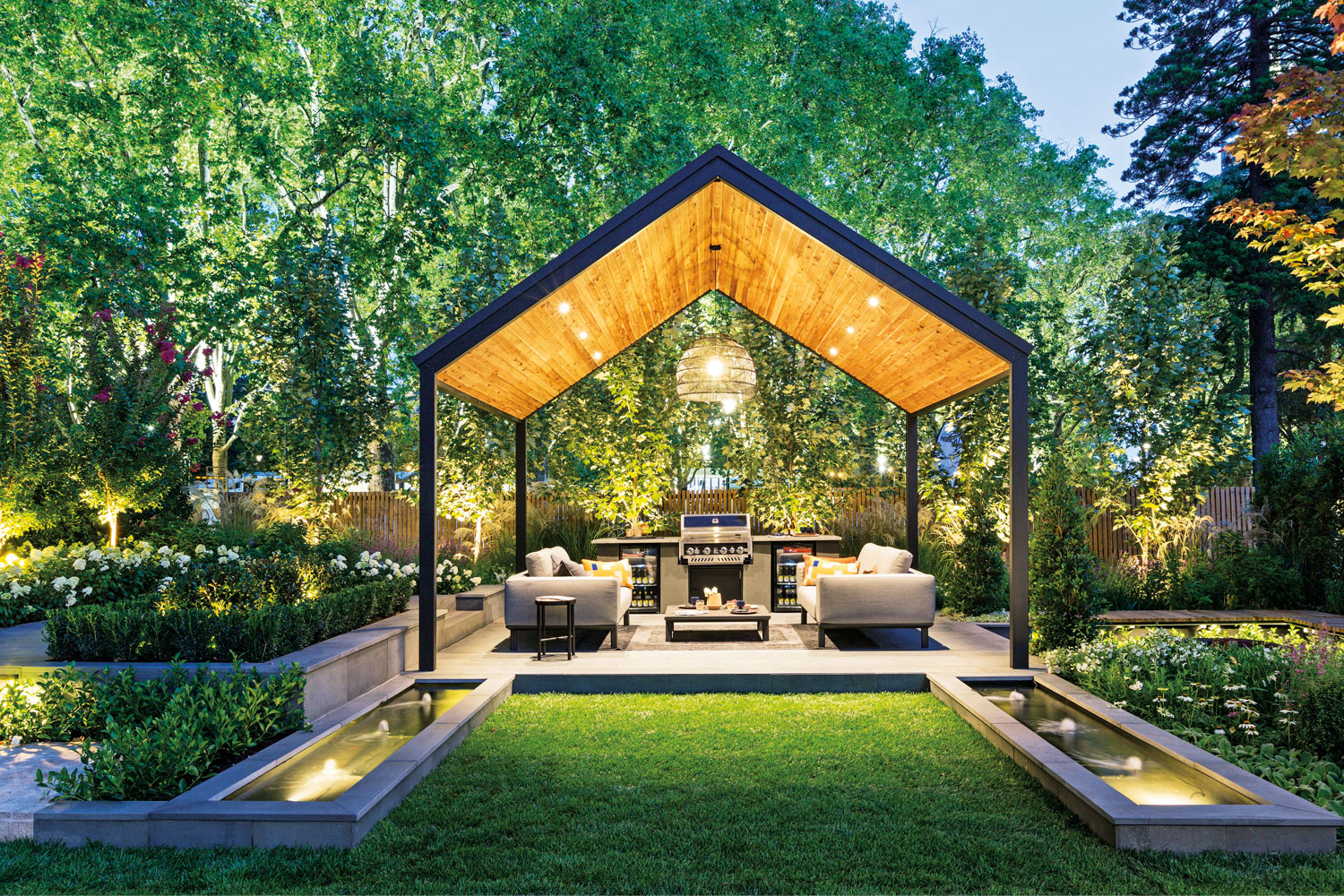
Landscaping Design for All Seasons
Outline
Introduction
- Importance of Landscaping Design
- Why All-Season Landscaping Matters
Spring Landscaping Ideas
- H2: Preparing Your Garden for Spring
- H3: Choosing Spring Plants
- H3: Incorporating Spring Colors
Summer Landscaping Ideas
- H2: Maintaining Your Lawn
- H3: Watering Tips for Summer
- H3: Best Summer Flowers
Fall Landscaping Ideas
- H2: Preparing for the Fall Season
- H3: Planting Fall Perennials
- H3: Fall Foliage and Color Schemes
Winter Landscaping Ideas
- H2: Winter Garden Preparation
- H3: Winter-Resistant Plants
- H3: Adding Winter Interest with Hardscapes
All-Season Landscaping Tips
- H2: Planning for Year-Round Beauty
- H3: Evergreen Trees and Shrubs
- H3: Using Mulch and Ground Covers
Sustainable Landscaping Practices
- H2: Eco-Friendly Landscaping
- H3: Composting and Recycling
- H3: Water Conservation Techniques
Conclusion
- Recap of All-Season Landscaping Benefits
- Encouragement to Start Your Own Project
FAQs
- What are the best plants for all-season landscaping?
- How do I maintain my garden throughout the year?
- What are some budget-friendly landscaping ideas?
- How can I make my garden eco-friendly?
- What are the common mistakes to avoid in landscaping?
Landscaping Design for All Seasons
Introduction
When it comes to creating a beautiful outdoor space, landscaping design is key. But it's not just about making your garden look great in one season; it's about creating a landscape that shines all year round. All-season landscaping ensures that your outdoor space remains vibrant and interesting, no matter the time of year. So, why does all-season landscaping matter? Let's dive in and find out!
Spring Landscaping Ideas
Preparing Your Garden for Spring
Spring is the season of renewal, and it's the perfect time to start preparing your garden. Begin by cleaning up any debris left over from winter. Prune dead branches, rake up leaves, and get your soil ready for planting. A good spring clean will set the stage for a healthy and vibrant garden.
Choosing Spring Plants
Spring is known for its blossoming flowers and fresh greenery. Consider planting bulbs like tulips, daffodils, and crocuses, which will add a splash of color to your garden. Don't forget about shrubs like azaleas and lilacs, which also bloom beautifully in spring.
Incorporating Spring Colors
Spring is all about bright and cheerful colors. Incorporate hues of pink, yellow, and purple to celebrate the season. You can achieve this with flowering plants, but also consider colorful garden accessories like planters and garden ornaments.
Summer Landscaping Ideas
Maintaining Your Lawn
Summer can be tough on your lawn, with heat and frequent use taking their toll. Regular mowing, watering, and fertilizing are essential to keep your grass green and healthy. Mow your lawn at the correct height to avoid stress on the grass and prevent weeds.
Watering Tips for Summer
Watering is crucial during the hot summer months. Water your garden early in the morning or late in the evening to minimize evaporation. Deep watering is more effective than frequent, shallow watering, as it encourages deeper root growth.
Best Summer Flowers
Summer is the time for vibrant, sun-loving flowers. Consider planting marigolds, zinnias, and petunias, which thrive in the heat. These flowers will add bursts of color to your garden and attract pollinators like bees and butterflies.
Fall Landscaping Ideas
Preparing for the Fall Season
As the weather cools, it's time to prepare your garden for fall. Clean up fallen leaves and debris, and start thinking about your fall planting. Fall is also a great time to divide perennials and plant new shrubs and trees.
Planting Fall Perennials
Perennials like chrysanthemums, asters, and sedums are perfect for fall. They offer beautiful blooms and add color to your garden as the leaves change. Plant them in clusters for a dramatic effect.
Fall Foliage and Color Schemes
Fall is famous for its stunning foliage. Incorporate trees and shrubs that turn brilliant shades of red, orange, and yellow. Maples, oaks, and dogwoods are excellent choices for fall color. Pair these with fall-blooming flowers for a cohesive look.
Winter Landscaping Ideas
Winter Garden Preparation
Winter doesn't mean your garden has to be dull. Prepare your garden by protecting delicate plants with mulch or burlap. Prune trees and shrubs to promote healthy growth in the spring.
Winter-Resistant Plants
Some plants can withstand the cold and even thrive in winter. Consider evergreens like holly, boxwood, and pine. These plants provide structure and greenery even in the depths of winter.
Adding Winter Interest with Hardscapes
Winter is the perfect time to focus on hardscapes. Add elements like stone pathways, benches, and garden sculptures. These features provide interest and structure when plants are dormant.
All-Season Landscaping Tips
Planning for Year-Round Beauty
A successful all-season landscape requires careful planning. Choose a variety of plants that bloom at different times of the year. Incorporate evergreen trees and shrubs for year-round greenery.
Evergreen Trees and Shrubs
Evergreens are the backbone of an all-season landscape. Plants like juniper, spruce, and arborvitae offer color and texture throughout the year. They also provide shelter for wildlife in winter.
Using Mulch and Ground Covers
Mulch is a gardener's best friend. It helps retain moisture, suppress weeds, and improve soil health. Ground covers like ivy and creeping thyme also add greenery and reduce maintenance.
Sustainable Landscaping Practices
Eco-Friendly Landscaping
Sustainable landscaping is all about working with nature. Use native plants that are adapted to your local climate. They require less water and maintenance and support local wildlife.
Composting and Recycling
Composting is a great way to recycle garden waste and improve soil health. Use compost to enrich your soil and reduce the need for chemical fertilizers. Recycling garden materials like leaves and grass clippings can also benefit your garden.
Water Conservation Techniques
Water conservation is essential for a sustainable garden. Install a rain barrel to collect rainwater for irrigation. Use drip irrigation systems to deliver water directly to the roots, minimizing waste.
Conclusion
Creating a landscape that shines in every season takes planning and effort, but the results are worth it. By choosing the right plants, maintaining your garden, and incorporating sustainable practices, you can enjoy a beautiful outdoor space all year round. So, why wait? Start your all-season landscaping project today and enjoy a garden that never goes out of style.
FAQs
What are the best plants for all-season landscaping? Evergreens like juniper and arborvitae, perennials like sedum and aster, and seasonal bloomers like tulips and marigolds are great choices.
How do I maintain my garden throughout the year? Regular maintenance includes watering, pruning, fertilizing, and cleaning up debris. Adjust your care routine for each season's specific needs.
What are some budget-friendly landscaping ideas? Use native plants, which are often cheaper and require less maintenance. DIY projects like building your own planters or garden paths can also save money.
How can I make my garden eco-friendly? Incorporate native plants, compost garden waste, and use water-saving techniques like drip irrigation and rain barrels.
What are the common mistakes to avoid in landscaping? Avoid overplanting, neglecting soil health, and ignoring the needs of different plants. Proper planning and regular maintenance are key.

The Ultimate Guide to Lawn Care
Understanding the Basics of Lawn Care Why Lawn Care Matters...
Read More

Working with a Local Landscaper: How to Find the Best One
Working with a Local Landscaper: How to Find the Best...
Read More
Exploring Peaceful Landscapes: A Journey to Serenity
Exploring Peaceful Landscapes: A Journey to Serenity Key Points Definition...
Read More
Fall Landscaping Guide 2024
Introduction Fall is the time to get your garden ready...
Read More