
Introduction
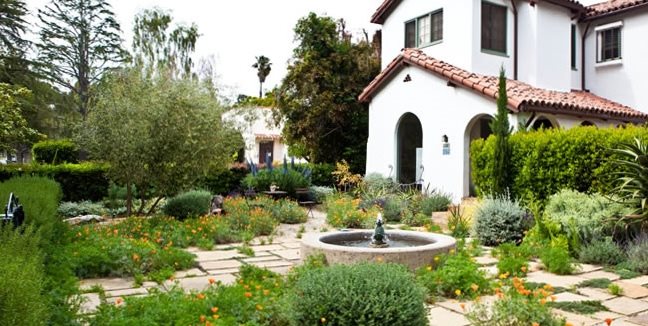
Eco-friendly landscaping isn’t just a trend; it’s a movement toward creating beautiful, sustainable, and environmentally responsible outdoor spaces. As our awareness of environmental issues grows, more homeowners are looking for ways to make their yards not only attractive but also beneficial to the ecosystem. Let’s delve into the world of eco-friendly landscaping practices and discover how you can transform your yard into a green oasis that supports both nature and your well-being.
What is Eco-Friendly Landscaping?
Eco-friendly landscaping, also known as sustainable or green landscaping, involves designing, creating, and maintaining your yard in ways that conserve resources, reduce waste, and support local ecosystems. The key principles include:
- Reducing water usage
- Using native plants
- Avoiding chemicals
- Enhancing soil health
- Promoting biodiversity
By following these principles, you not only contribute to the health of the planet but also enjoy a garden that thrives with minimal intervention.
Planning Your Eco-Friendly Landscape
Before you start digging, it’s essential to plan your landscape thoughtfully. Here’s how to begin:
Assessing Your Yard
Take a good look at your current yard. Identify areas that get the most sunlight, those that are shaded, and any slopes or drainage issues. This will help you choose the right plants and layout.
Setting Goals
What do you want to achieve with your landscape? Whether it’s creating a haven for wildlife, growing your own food, or simply reducing your environmental footprint, having clear goals will guide your decisions.
Budget Considerations
Eco-friendly landscaping can be cost-effective, especially over the long term. However, initial investments like installing a drip irrigation system or purchasing native plants can add up. Plan your budget to avoid any surprises.
Choosing Native Plants
Native plants are species that have evolved in your region over thousands of years. They are well adapted to the local climate and soil, making them easier to care for and more sustainable.
Benefits of Native Plants
- Low Maintenance: Native plants require less water, fertilizer, and pesticides.
- Wildlife Support: They provide food and habitat for local wildlife, including pollinators like bees and butterflies.
- Environmental Benefits: Native plants help preserve the natural landscape and biodiversity.
How to Select the Right Plants for Your Area
Visit local nurseries, consult with a landscape designer, or use online resources to find out which plants are native to your area. Pay attention to their light, water, and soil requirements to ensure they thrive in your yard.
Water Conservation Techniques
Water is a precious resource, and conserving it is a crucial aspect of eco-friendly landscaping.
Installing Drip Irrigation
Unlike traditional sprinklers, drip irrigation delivers water directly to the base of plants, reducing evaporation and runoff. It’s efficient and easy to install.
Rainwater Harvesting
Collecting rainwater in barrels or tanks is an excellent way to irrigate your garden. It reduces your dependency on municipal water and ensures you have a supply during dry spells.
Mulching
Mulch helps retain soil moisture, suppress weeds, and improve soil health. Organic mulches like wood chips, straw, or compost are particularly beneficial.
Soil Health and Management
Healthy soil is the foundation of a thriving garden. Here are some eco-friendly practices to enhance soil health:
Composting
Composting kitchen scraps and yard waste creates nutrient-rich soil that improves plant growth and reduces the need for chemical fertilizers.
Organic Fertilizers
Use organic fertilizers like compost, manure, or bone meal instead of synthetic ones. They release nutrients slowly and improve soil structure.
Avoiding Chemical Pesticides
Opt for natural pest control methods like introducing beneficial insects, using neem oil, or planting pest-repellent plants.
Sustainable Lawn Care
Traditional lawns require significant water, fertilizers, and pesticides. Consider these sustainable alternatives:
Reducing Lawn Size
Shrink the size of your lawn by replacing portions with garden beds, native plantings, or ground covers.
Alternatives to Traditional Grass
Explore options like clover, creeping thyme, or ornamental grasses, which are drought-tolerant and need less maintenance.
Eco-Friendly Lawn Maintenance
Mow less frequently and keep your grass longer to promote deep root growth. Use electric mowers to reduce emissions.
Energy-Efficient Landscaping
Strategic landscaping can help you save energy and reduce your carbon footprint.
Strategic Tree Planting
Planting trees on the south and west sides of your home can provide shade, reducing cooling costs in summer and acting as windbreaks in winter.
Using Solar-Powered Garden Lights
Illuminate your garden with solar-powered lights, which are energy-efficient and easy to install.
Windbreaks and Their Benefits
Planting shrubs or trees to block prevailing winds can reduce heating costs in winter by minimizing wind chill around your home.
Wildlife-Friendly Landscaping
Creating a habitat for local wildlife is a rewarding aspect of eco-friendly landscaping.
Creating Habitats for Pollinators
Plant a variety of flowers that bloom at different times to provide a continuous food source for bees, butterflies, and other pollinators.
Installing Birdhouses and Baths
Encourage birds to visit your yard by providing birdhouses, feeders, and water sources. They help control pests and add life to your garden.
Building a Wildlife Pond
A small pond can attract frogs, dragonflies, and other beneficial creatures. Ensure it’s designed with gentle slopes so animals can easily access and exit the water.
Edible Landscaping
Why not grow your own food while enhancing your landscape’s beauty?
Growing Your Own Vegetables and Herbs
Incorporate vegetable and herb gardens into your landscape. Raised beds, containers, or interplanting with ornamentals can be effective approaches.
Integrating Edible Plants into Your Landscape
Use fruit trees, berry bushes, and edible ground covers to create a productive and attractive garden.
Benefits of Edible Landscaping
Enjoy fresh, organic produce right from your yard, reduce your grocery bills, and lower your carbon footprint.
Recycling and Reusing Materials
Reduce waste and save money by recycling and reusing materials in your landscaping.
Using Recycled Materials in Landscaping
Use reclaimed wood, bricks, or stones to build garden structures, paths, or borders.
Creative Reuse of Yard Waste
Turn fallen leaves, branches, and grass clippings into compost or mulch. Create artful garden features from old pots, bottles, or other discarded items.
Green Hardscaping Options
Hardscaping elements like patios, paths, and walls can be eco-friendly too.
Permeable Pavers
Permeable pavers allow rainwater to soak into the ground, reducing runoff and recharging groundwater.
Natural Stone and Recycled Materials
Choose natural stone or recycled materials for your hardscape projects to minimize environmental impact.
Maintaining Your Eco-Friendly Landscape
Ongoing maintenance is key to keeping your eco-friendly landscape healthy and vibrant.
Regular Monitoring and Adjustments
Keep an eye on your garden and make necessary adjustments. Prune plants, check irrigation systems, and amend soil as needed.
Seasonal Care Tips
Adapt your maintenance routines to the seasons. Mulch in spring, water efficiently in summer, compost in fall, and prepare plants for winter.
Community and Eco-Friendly Landscaping
Sharing your knowledge and getting involved in community efforts can amplify your impact.
Getting Involved in Local Programs
Join or start local gardening clubs, participate in community gardens, or volunteer for environmental projects.
Sharing Knowledge with Neighbors
Encourage your neighbors to adopt eco-friendly practices. Share tips, plants, and resources to foster a greener community.
Conclusion
Eco-friendly landscaping is a win-win for you and the environment. It conserves resources, supports local wildlife, and creates a beautiful, sustainable outdoor space. By adopting these practices, you’re not just improving your yard but also contributing to a healthier planet. So, why wait? Start planning your eco-friendly landscape today and enjoy the many benefits it brings.
FAQs
How do I start with eco-friendly landscaping?
Begin by assessing your yard, setting clear goals, and planning your budget. Choose native plants, implement water conservation techniques, and consider soil health.
What are the best native plants for my region?
Consult local nurseries, landscape designers, or online resources to identify plants native to your area. Ensure they match your yard’s light, water, and soil conditions.
How can I conserve water in my garden?
Use drip irrigation, harvest rainwater, and apply mulch to retain soil moisture. Choose drought-tolerant plants and reduce lawn areas.
Are there eco-friendly alternatives to lawn care?
Yes, consider reducing lawn size, using alternative ground covers like clover or thyme, and maintaining your lawn with electric mowers and organic fertilizers.
What materials can be recycled for landscaping use?
Use reclaimed wood, bricks, and stones for garden structures and paths. Recycle yard waste into compost or mulch, and creatively reuse items like old pots or bottles in your garden.
Eco-friendly landscaping isn’t just a trend; it’s a movement toward creating beautiful, sustainable, and environmentally responsible outdoor spaces. As our awareness of environmental issues grows, more homeowners are looking for ways to make their yards not only attractive but also beneficial to the ecosystem. Let’s delve into the world of eco-friendly landscaping practices and discover how you can transform your yard into a green oasis that supports both nature and your well-being.