

Garden Paths and Walkways in Landscaping: A Comprehensive Guide
Key Takeaways:
- Garden paths and walkways are essential elements in landscape design, serving both functional and aesthetic purposes.
- Material choice is crucial, with options ranging from natural stone to modern concrete pavers, each offering unique benefits.
- The design of your path should complement your home's architecture and overall garden style.
- Proper installation techniques ensure longevity and safety of your garden paths.
- Maintenance is key to preserving the beauty and functionality of your walkways.
- Lighting can transform your paths, enhancing safety and creating magical nighttime landscapes.
- Eco-friendly options and permeable materials are becoming increasingly popular for sustainable landscaping.
Imagine stepping out into your garden, feeling the gentle crunch of gravel beneath your feet, or the smooth texture of carefully laid flagstones. A well-designed garden path does more than just lead you from point A to point B – it's an invitation to explore, a guide through your outdoor spaces, and a key element in creating a cohesive and beautiful landscape. Whether you're a seasoned gardener looking to revamp your outdoor space or a newcomer to the world of landscaping, understanding the art and science of garden paths and walkways can transform your green space into a harmonious and functional retreat.
In this comprehensive guide, we'll explore everything you need to know about garden paths and walkways in landscaping. From choosing the right materials and designing the perfect layout to installation techniques and maintenance tips, we'll cover it all. So, lace up your gardening shoes, and let's embark on this journey together!
The Purpose of Garden Paths and Walkways
Before we dive into the nitty-gritty of materials and designs, it's essential to understand why garden paths and walkways are so important in landscaping. These elements serve multiple purposes:
Functionality: At their core, paths and walkways provide a means of traversing your garden. They guide visitors through your outdoor space, connect different areas of your garden, and provide safe, muddy-free access to various features like seating areas, water features, or vegetable patches.
Structure and Organization: Paths help define spaces within your garden, creating a sense of order and purpose. They can separate different garden rooms or zones, such as a sunny patio from a shaded woodland area.
Visual Interest: Well-designed paths add aesthetic value to your landscape. They can serve as visual focal points, lead the eye through the garden, and provide contrast in texture and color to surrounding plantings.
Protection: By providing a designated walking area, paths help protect your lawn and garden beds from foot traffic, preserving the health of your plants and grass.
Increased Property Value: A thoughtfully designed and well-maintained garden, complete with attractive pathways, can significantly boost your home's curb appeal and overall value.
Choosing the Right Materials
One of the most crucial decisions you'll make when planning your garden paths is selecting the right materials. The choice of materials can dramatically influence the look, feel, and functionality of your walkways. Here are some popular options to consider:
1. Natural Stone
Natural stone paths exude timeless elegance and blend seamlessly with most garden styles. Options include:
- Flagstone: Large, flat stones that create a rustic, natural look. They're durable and come in various colors.
- Slate: Offers a sleek, contemporary appearance with its uniform texture and rich colors.
- Granite: Extremely durable and available in a range of colors and finishes.
Natural stone is often more expensive than other materials but can last for decades with proper installation and maintenance. For more information on using natural stone in landscaping, check out the Natural Stone Institute's website.
2. Brick
Brick paths offer a classic, warm look that complements many architectural styles, particularly traditional and colonial homes. They're durable, relatively easy to install, and available in various colors and patterns. Brick can be laid in intricate patterns like herringbone or basket weave for added visual interest.
3. Concrete
Concrete is a versatile and cost-effective option for garden paths. It can be:
- Poured in place: Allowing for custom shapes and sizes.
- Stamped: To mimic the look of more expensive materials like stone or brick.
- Stained or dyed: To achieve various colors and effects.
Modern concrete pavers also offer a wide range of styles and can be an excellent alternative to poured concrete.
4. Gravel
Gravel paths are affordable, easy to install, and provide excellent drainage. They offer a natural, informal look and a pleasant crunching sound underfoot. However, they require regular maintenance to keep them level and weed-free. Consider using edging to keep the gravel contained.
5. Wood
Wooden paths, such as boardwalks or timber steps, can create a rustic, natural feel. They're particularly suitable for woodland gardens or areas with changing elevations. Ensure you use rot-resistant wood like cedar or treated lumber for longevity.
6. Recycled Materials
For an eco-friendly option, consider recycled materials like rubber mulch made from old tires or paths created from reclaimed bricks or stones. These can add unique character to your garden while reducing waste.
7. Grass
While not a traditional path material, mown grass paths can be a charming addition to informal or cottage-style gardens. They're best suited for areas with light foot traffic and require regular mowing to maintain their appearance.
Designing Your Garden Path
Once you've chosen your materials, it's time to focus on design. The layout and style of your path should complement your home's architecture and your overall garden design. Here are some key considerations:
1. Purpose and Traffic Flow
Consider how the path will be used. Is it a main walkway that needs to accommodate two people side by side, or a narrow, winding path for solitary garden exploration? Map out the natural traffic flow in your garden and design paths that follow these patterns.
2. Width
The width of your path should correspond to its purpose:
- Main walkways: 4-6 feet wide
- Secondary paths: 3-4 feet wide
- Intimate garden paths: 18-24 inches wide
3. Shape
The shape of your path can dramatically influence the feel of your garden:
- Straight paths: Create a formal, organized look and provide the quickest route between points.
- Curved paths: Offer a more relaxed, natural feel and can create a sense of discovery.
- Meandering paths: Perfect for larger gardens, these paths encourage exploration and can make a space feel larger.
4. Focal Points
Use your paths to lead to and highlight garden focal points like a water feature, a beautiful tree, or a seating area. You can create mystery and intrigue by obscuring the end point of a path with strategically placed plants or garden structures.
5. Steps and Slopes
If your garden has changes in elevation, incorporate steps or gently sloping paths. Ensure steps have a comfortable rise (usually 6-7 inches) and tread depth (at least 12 inches).
6. Patterns
For materials like brick or pavers, consider interesting laying patterns. Herringbone, basket weave, or running bond patterns can add visual interest to your path.
7. Edging
Edging along your path can provide a finished look and help contain materials like gravel. Options include metal edging, brick, or even living edges created with low-growing plants.
8. Plant Integration
Think about how your path will interact with surrounding plantings. Consider lining the path with fragrant herbs that release their scent when brushed against, or use plants to soften the edges of the path.
Installation Techniques
Proper installation is crucial for the longevity and safety of your garden paths. While some DIY enthusiasts might tackle this project themselves, complex designs or materials often benefit from professional installation. Here's a general overview of the installation process:
Planning and Marking: Begin by marking out your path using stakes and string or a garden hose. This allows you to visualize the path and make adjustments before breaking ground.
Excavation: Remove grass and soil to a depth of about 6 inches for a standard path. The exact depth may vary depending on your chosen materials and local climate.
Base Preparation: Create a stable base by adding a layer of gravel or crushed stone. Compact this layer thoroughly using a plate compactor.
Sand Layer: For some materials like pavers or bricks, add a layer of sand over the compacted base. This helps to create a level surface and allows for minor adjustments during installation.
Material Installation: Lay your chosen path material according to its specific requirements. This might involve:
- Setting stones or pavers
- Pouring and finishing concrete
- Laying bricks in your chosen pattern
Edging: Install edging if desired to contain your path materials and create a finished look.
Finishing: Fill joints between pavers or stones with sand or appropriate joint filler. For gravel paths, spread and rake the gravel to the desired depth.
Settling: Allow your path to settle for a few days before heavy use. This is particularly important for paths using sand or gravel.
For more detailed installation guides specific to different materials, the Landscaping Network offers excellent resources.
Maintenance and Care
To keep your garden paths looking their best and functioning properly, regular maintenance is essential. Here are some tips for different materials:
1. Natural Stone and Concrete
- Sweep regularly to remove debris
- Pressure wash annually to remove stains and prevent moss growth
- Re-seal every 2-3 years to protect from stains and weathering
2. Brick
- Sweep regularly
- Remove weeds that may grow between bricks
- Replace any cracked or damaged bricks promptly
3. Gravel
- Rake periodically to maintain an even surface
- Top up gravel as needed
- Remove leaves and debris to prevent decomposition and soil formation
4. Wood
- Check regularly for signs of rot or insect damage
- Re-seal or stain every 1-2 years to protect from weathering
- Replace any damaged boards promptly
5. General Maintenance
- Clear snow and ice in winter to prevent damage and ensure safety
- Trim back encroaching plants to keep paths clear
- Address drainage issues promptly to prevent water damage
Lighting Your Garden Paths
Incorporating lighting along your garden paths can transform your landscape after dark, providing both safety and enchanting ambiance. Here are some lighting options to consider:
Solar Lights: Easy to install and eco-friendly, solar lights are a popular choice for garden paths. They come in various styles and require no wiring.
Low-Voltage Lighting: These systems offer more reliable and brighter light than solar options. They're relatively easy to install and can be connected to timers or smart home systems.
LED Lights: Energy-efficient and long-lasting, LED lights are available in a wide range of colors and styles. They can be used in solar or low-voltage systems.
Uplighting: Placing lights at the base of trees or garden features along your path can create dramatic effects and indirect lighting for your walkway.
Moonlighting: This technique involves placing lights high in trees to cast a soft, natural-looking light on your paths, mimicking moonlight.
Step Lights: For paths with elevation changes, step lights are crucial for safety and can add a sophisticated touch to your landscape.
When planning your path lighting, consider the balance between functionality and aesthetics. Aim for a soft, welcoming glow rather than harsh, overpowering light. The American Lighting Association offers helpful guides on outdoor lighting.
Eco-Friendly and Sustainable Options
As awareness of environmental issues grows, many homeowners are looking for ways to make their landscaping more sustainable. Here are some eco-friendly options for garden paths:
1. Permeable Materials
Permeable paving allows water to seep through, reducing runoff and helping to recharge groundwater. Options include:
- Permeable pavers
- Porous asphalt or concrete
- Gravel or crushed stone
2. Recycled Materials
Using recycled materials not only reduces waste but can also add unique character to your garden. Consider:
- Reclaimed bricks or stones
- Recycled glass mulch
- Rubber mulch made from old tires
3. Local Materials
Choosing materials sourced locally reduces transportation emissions and supports local businesses. Natural stones or gravels from your area can also help your garden blend with the local landscape.
4. Native Plant Integration
Incorporate native plants along your pathways. These plants are adapted to your local climate, requiring less water and maintenance while supporting local wildlife.
5. Rain Gardens
Design your paths to direct water runoff into rain gardens – areas planted with species that can handle periodic flooding. This helps manage stormwater naturally.
6. Organic Maintenance
Maintain your paths using organic methods. Avoid chemical weed killers and opt for manual weeding or organic alternatives.
For more information on sustainable landscaping practices, the Sustainable Sites Initiative provides excellent resources.
Accessibility Considerations
When designing garden paths, it's important to consider accessibility, ensuring that your outdoor spaces can be enjoyed by everyone, including those with mobility challenges. Here are some key points to keep in mind:
Width: Ensure main paths are wide enough to accommodate wheelchairs or walkers. A minimum width of 36 inches is recommended, with 48-60 inches being ideal for comfortable two-way traffic.
Surface: Choose materials that provide a smooth, stable surface. Avoid loose materials like gravel or mulch that can be challenging for wheels or unstable footing.
Slope: Keep slopes gentle, ideally no more than a 1:20 ratio (1 inch of rise for every 20 inches of length). For steeper areas, consider incorporating ramps with handrails.
Edges: Include raised edges or curbs along paths to provide guidance for those with visual impairments and to prevent wheelchairs from veering off the path.
Resting Areas: For longer paths, incorporate level resting areas with seating at regular intervals.
Lighting: Ensure paths are well-lit for safety and to assist those with visual impairments.
Contrast: Use contrasting colors or textures to mark changes in level or direction, helping those with visual impairments navigate safely.
The American Society of Landscape Architects offers more detailed guidelines on accessible outdoor design.
Seasonal Considerations
Your garden paths should be designed to function and look beautiful year-round. Here are some seasonal considerations:
Spring:
- Ensure proper drainage to handle spring rains
- Plan for early-blooming plants along path edges to welcome the new season
Summer:
- Consider heat-reflective materials for comfort in hot climates
- Plant shade trees along paths to provide cool respite
Fall:
- Choose materials that won't become slippery with fallen leaves
- Consider the aesthetic of fall foliage when selecting plants along your paths
Winter:
- In cold climates, choose materials that can withstand freeze-thaw cycles
- Plan for snow removal and ice management
- Consider evergreen plantings for year-round interest
Integrating Technology
As smart home technology advances, there are increasingly innovative ways to incorporate tech into your garden paths:
Smart Lighting: Use app-controlled lighting systems to adjust your path lighting from your phone or set automated schedules.
Sensor-Activated Features: Install motion sensors to trigger lights or water features as you walk along the path.
Heating Systems: For cold climates, consider installing heating elements under your paths to melt snow and ice automatically.
Audio Systems: Incorporate weatherproof speakers along your paths for an immersive garden experience.
QR Codes: For educational gardens, place QR codes along paths that visitors can scan to learn about different plants or garden features.
While technology can enhance your garden experience, remember to balance it with the natural elements to maintain a serene outdoor environment.
Conclusion
Garden paths and walkways are far more than mere connectors in your landscape – they're the arteries that give life to your outdoor spaces, guiding movement, defining areas, and enhancing the overall beauty of your garden. From the choice of materials to the intricacies of design, from proper installation to regular maintenance, every aspect of your garden path contributes to the story of your landscape.
As we've explored in this comprehensive guide, creating the perfect garden path involves a blend of practical considerations and artistic vision. Whether you opt for the timeless elegance of natural stone, the eco-friendly charm of permeable pavers, or the rustic appeal of a winding gravel path, your choice should reflect your personal style while complementing your home and garden.
Remember, a well-designed path not only enhances the functionality of your outdoor space but also invites exploration, encourages relaxation, and can even increase your property value. It's an investment in both the present enjoyment and future potential of your home.
As you embark on your own garden path project, don't be afraid to get creative. Mix materials, play with patterns, incorporate lighting, and integrate smart technology to create a truly unique and personalized outdoor experience. And most importantly, enjoy the journey – both in creating your paths and in the many walks you'll take along them in the years to come.

Renewable Energy in Landscaping
Explore how renewable energy can be integrated into landscaping.
Read More

Organic Gardening Methods
Explore organic gardening methods for a healthier landscape.
Read More
Exploring Peaceful Landscapes: A Journey to Serenity
Exploring Peaceful Landscapes: A Journey to Serenity Key Points Definition...
Read More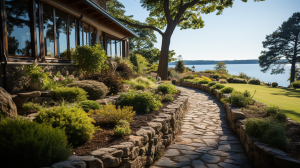
Combining Hardscape and Softscape
Learn to combine hardscape and softscape in landscape design.
Read More