
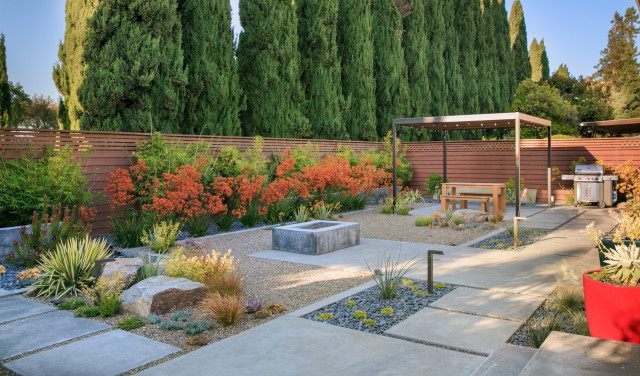
Landscape Renovation Projects: Transforming Your Outdoor Space
Key Takeaways
- Assessment and Planning: A successful landscape renovation starts with a thorough assessment and a detailed plan.
- Budgeting: Set a realistic budget to avoid overspending.
- Choosing the Right Plants: Select plants that thrive in your climate and soil type.
- Incorporating Hardscapes: Features like patios, walkways, and water elements can enhance the functionality and aesthetics of your landscape.
- Sustainability: Implement eco-friendly practices such as using native plants and water-saving irrigation systems.
- Professional Help: Know when to hire professionals for complex tasks.
Introduction
A well-designed landscape can significantly enhance the beauty and value of your property. Whether you have a small garden or a sprawling estate, a landscape renovation project can transform your outdoor space into a serene oasis. This article will guide you through the essential steps of planning and executing a successful landscape renovation project, offering tips on everything from budgeting to plant selection. We'll also explore various design ideas and sustainable practices to ensure your landscape not only looks great but also thrives for years to come.
Assessing Your Current Landscape
Before diving into your renovation project, it's crucial to assess the current state of your landscape. Take a walk around your property and make note of the following:
- Existing Plants and Trees: Identify which plants and trees are healthy and worth keeping. Also, note any invasive species or plants that aren't thriving.
- Hardscape Elements: Check the condition of existing patios, walkways, fences, and other hardscape features. Determine if they need repair, replacement, or can be incorporated into your new design.
- Soil Quality: Test your soil to understand its composition and nutrient levels. This will help in selecting the right plants and any soil amendments needed.
- Water Drainage: Observe how water drains in your landscape. Look for areas with poor drainage that might require regrading or installation of drainage systems.
Creating a Site Plan
Once you've assessed your landscape, create a site plan. This plan should include:
- A scaled drawing of your property.
- The location of existing plants, trees, and hardscape features.
- Notes on sun exposure, wind patterns, and microclimates within your yard.
- Areas where you want to add new plants, structures, or features.
Planning Your Landscape Renovation
With your site plan in hand, it's time to start planning your renovation. Here are some key steps:
Setting Goals
What do you want to achieve with your landscape renovation? Your goals might include:
- Increasing Curb Appeal: Enhance the visual appeal of your front yard.
- Creating Functional Spaces: Designate areas for outdoor dining, relaxation, or play.
- Enhancing Privacy: Add fencing, hedges, or other elements to create a private retreat.
- Improving Sustainability: Implement eco-friendly practices like xeriscaping or rainwater harvesting.
Budgeting
A well-defined budget is essential for any renovation project. Consider the following:
- Cost of Materials: Plants, soil, mulch, hardscape materials, and other supplies.
- Labor Costs: Whether you hire professionals or do it yourself, factor in labor costs.
- Unexpected Expenses: Always set aside a contingency fund for unexpected costs.
Designing Your Landscape
Now comes the fun part – designing your new landscape! Here are some ideas to consider:
Plant Selection
- Native Plants: Choose plants that are native to your region as they are more likely to thrive with minimal maintenance.
- Drought-Tolerant Plants: These plants require less water, making them ideal for regions with water restrictions.
- Pollinator-Friendly Plants: Attract bees, butterflies, and other pollinators to your garden with a variety of flowering plants.
Hardscape Features
- Patios and Decks: Create outdoor living spaces with patios and decks. Use materials like stone, brick, or wood to complement your home’s architecture.
- Walkways and Paths: Connect different areas of your yard with walkways made of gravel, stone, or pavers.
- Water Features: Add a soothing element with a pond, fountain, or waterfall.
Functional Elements
- Irrigation Systems: Install efficient irrigation systems to ensure your plants receive the right amount of water.
- Lighting: Enhance safety and ambiance with landscape lighting. Solar-powered lights are an eco-friendly option.
- Storage Solutions: Include sheds, storage benches, or built-in cabinets for tools and equipment.
Implementing Your Landscape Renovation
Once your plan is in place, it’s time to start the renovation process. Here are some steps to follow:
Clearing and Preparing the Site
- Remove Unwanted Plants and Debris: Clear out any plants, weeds, or debris that are not part of your new design.
- Soil Preparation: Amend the soil as needed based on your soil test results. This may include adding compost, sand, or other soil conditioners.
- Grading: Ensure proper drainage by grading your site to direct water away from structures and prevent pooling.
Installing Hardscape Features
Start with the hardscape elements before planting. This includes:
- Building Patios and Walkways: Lay the foundation and install your chosen materials for patios and walkways.
- Constructing Fences and Walls: Erect fences, retaining walls, or garden walls as needed.
- Installing Water Features: Set up ponds, fountains, or other water features.
Planting
With the hardscape in place, you can now focus on planting:
- Plant Trees and Shrubs First: Start with larger plants like trees and shrubs, as they will serve as the backbone of your landscape.
- Add Perennials and Groundcovers: Fill in with perennials and groundcovers for color and texture.
- Mulching: Apply mulch to retain moisture, suppress weeds, and improve soil health.
Final Touches
- Install Irrigation and Lighting: Set up your irrigation system and landscape lighting.
- Add Furniture and Accessories: Place outdoor furniture, planters, and decorative accessories to complete the look.
Maintaining Your Renovated Landscape
A beautiful landscape requires regular maintenance to stay in top condition. Here are some tips:
Watering
- Adjust Irrigation: Adjust your irrigation system based on the season and weather conditions.
- Water Deeply: Water deeply and infrequently to encourage deep root growth.
Pruning and Trimming
- Regular Pruning: Prune trees and shrubs regularly to maintain their shape and health.
- Deadheading: Remove spent flowers to encourage new blooms.
Soil Care
- Fertilizing: Use organic fertilizers to provide essential nutrients to your plants.
- Soil Testing: Periodically test your soil to monitor its health and make necessary adjustments.
Pest and Disease Control
- Monitor for Pests: Regularly inspect your plants for signs of pests or disease.
- Use Organic Solutions: Opt for organic pest control methods to minimize environmental impact.
Seasonal Maintenance
- Spring: Clean up debris, refresh mulch, and prepare your garden beds.
- Summer: Monitor watering needs, deadhead flowers, and keep an eye out for pests.
- Fall: Rake leaves, cut back perennials, and plant bulbs for spring blooms.
- Winter: Protect tender plants, prune dormant trees, and plan for the next growing season.
Sustainability in Landscape Renovation
Incorporating sustainable practices into your landscape renovation not only benefits the environment but can also save you time and money in the long run. Here are some ideas:
Water Conservation
- Drought-Tolerant Plants: Choose plants that require less water.
- Efficient Irrigation: Install drip irrigation systems to minimize water waste.
- Rainwater Harvesting: Collect rainwater in barrels for use in your garden.
Soil Health
- Composting: Use compost to enrich your soil and reduce waste.
- Mulching: Mulch to retain moisture and suppress weeds.
Biodiversity
- Native Plants: Support local wildlife by planting native species.
- Pollinator Gardens: Create habitats for bees, butterflies, and other pollinators.
Eco-Friendly Materials
- Recycled Materials: Use recycled materials for hardscape features.
- Sustainable Wood: Choose wood from sustainable sources for decks and structures.
Resources for Landscape Renovation
To help you on your landscape renovation journey, here are some valuable resources:
- The Spruce: Comprehensive guides on landscape design and gardening.
- Garden Design: Inspirational ideas and expert tips for landscape design.
- Better Homes & Gardens: Practical advice and project ideas for landscaping.
- USDA Plant Hardiness Zone Map: Determine your planting zone to choose appropriate plants.
- EPA's WaterSense: Tips and resources for water-efficient landscaping.
Conclusion
Landscape renovation is a rewarding endeavor that can transform your outdoor space into a beautiful, functional, and sustainable haven. By carefully assessing your current landscape, setting clear goals, and planning meticulously, you can achieve stunning results. Remember to incorporate eco-friendly practices and consider seeking professional help for complex tasks. With regular maintenance, your renovated landscape will continue to thrive and provide enjoyment for years to come. Happy gardening!

The Ultimate Guide to Lawn Care
Understanding the Basics of Lawn Care Why Lawn Care Matters...
Read More

Working with a Local Landscaper: How to Find the Best One
Working with a Local Landscaper: How to Find the Best...
Read More
Exploring Peaceful Landscapes: A Journey to Serenity
Exploring Peaceful Landscapes: A Journey to Serenity Key Points Definition...
Read More
Fall Landscaping Guide 2024
Introduction Fall is the time to get your garden ready...
Read More