
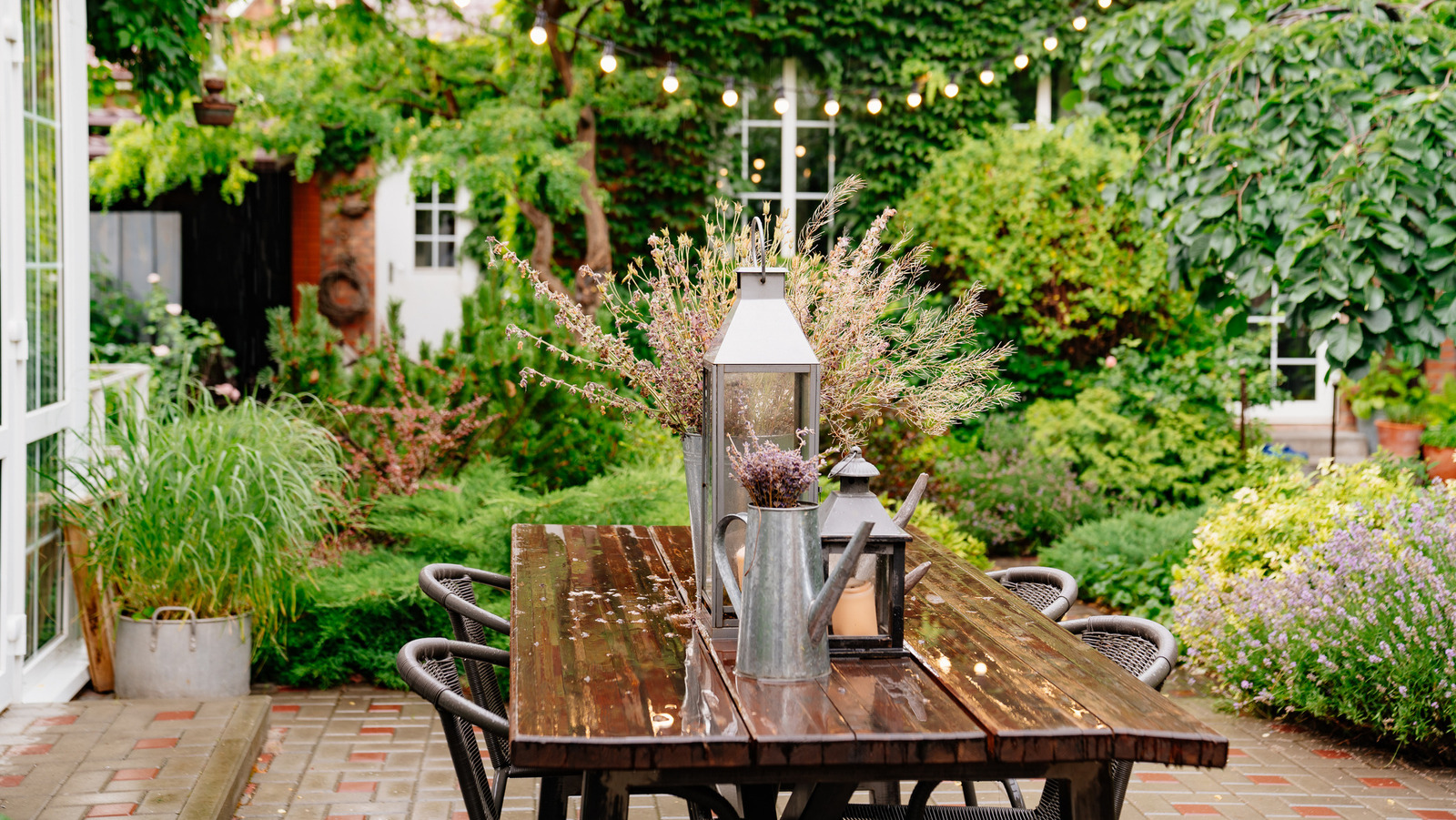
Small Space Landscaping: Maximizing Beauty and Functionality in Compact Outdoor Areas
Key Takeaways:
- Small space landscaping requires creativity to maximize both aesthetics and functionality.
- Vertical gardening, multi-functional elements, and optical illusions can make small spaces feel larger.
- Choosing the right plants, including dwarf varieties and those with year-round interest, is crucial for small gardens.
- Hardscaping elements should be proportional and serve multiple purposes when possible.
- Proper lighting can extend the usability of small spaces and create ambiance.
- Regular maintenance is essential to keep small spaces looking their best.
- DIY projects can be particularly effective in small spaces, allowing for personalization on a budget.
- Sustainable practices can be easily incorporated into small space landscaping.
In an era where urban living is on the rise and large suburban lots are becoming less common, many homeowners and renters find themselves with limited outdoor space. Whether you have a small backyard, a tiny balcony, or just a sliver of a side yard, the challenge of creating a beautiful and functional outdoor area in a compact space is increasingly common. But don't let size constraints dampen your landscaping dreams! With the right approach, even the smallest outdoor areas can be transformed into stunning, versatile spaces that extend your living area and provide a connection to nature.
This comprehensive guide to small space landscaping will explore innovative ideas, clever design tricks, and practical tips to help you make the most of your compact outdoor area. From vertical gardens to multi-functional furniture, from optical illusions to smart plant choices, we'll cover a wide range of strategies to maximize both the beauty and functionality of your small outdoor space.
Understanding the Potential of Small Spaces
Before diving into specific landscaping ideas, it's important to assess your small space and understand its potential:
Size and Shape: Measure your space accurately and note any unique features or challenges.
Sunlight: Observe how sunlight moves through your space throughout the day.
Existing Features: Take stock of any permanent features you need to work around.
Views: Identify both appealing views you want to enhance and less desirable ones you might want to screen.
Climate: Consider your local climate and how it affects your outdoor space.
Purpose: Define how you want to use the space (relaxation, entertaining, gardening, etc.).
Budget: Determine how much you're willing to invest in your small space transformation.
Regulations: Be aware of any rules or restrictions that might affect your plans, especially for balconies or shared spaces.
Design Principles for Small Space Landscaping
When working with limited space, certain design principles become even more crucial:
1. Scale and Proportion
Choose elements that are proportional to your space. Oversized features can overwhelm a small area, while too many tiny elements can create visual clutter.
2. Simplicity
In small spaces, less is often more. A clean, simple design can make the area feel larger and more cohesive.
3. Functionality
Every element should serve a purpose, and multi-functional pieces are particularly valuable in small spaces.
4. Visual Tricks
Use design techniques to create the illusion of more space:
- Use light colors to make the space feel more open
- Create depth with layered plantings
- Use mirrors to reflect light and views
5. Vertical Space
Make the most of vertical space with wall-mounted planters, trellises, or tall, narrow plants.
6. Zoning
Even in small spaces, creating distinct zones for different activities can maximize functionality.
Innovative Ideas for Small Space Landscaping
Now, let's explore some creative ideas to make the most of your compact outdoor area:
1. Vertical Gardening
Vertical gardening is a game-changer for small spaces. Options include:
- Living Walls: Install a system of planters on a wall or fence for a lush, green backdrop.
- Hanging Planters: Use a series of hanging baskets at different heights.
- Trellises and Climbers: Plant vines or climbing plants to create a green screen.
- Pocket Planters: Attach fabric pocket planters to walls for herbs or small flowers.
The Vertical Gardening Association offers resources and inspiration for vertical garden projects.
2. Container Gardening
Containers offer flexibility and can be moved to follow the sun or create different layouts:
- Use a variety of container sizes and heights for visual interest
- Choose lightweight containers for easy rearrangement
- Consider self-watering containers to reduce maintenance
- Group containers for a lush, garden-like feel
3. Multi-Functional Furniture
In small spaces, furniture that serves multiple purposes is invaluable:
- Storage benches provide seating and storage
- Fold-down tables can be tucked away when not in use
- Modular furniture can be rearranged for different occasions
4. Creating Illusions
Use design tricks to make your space feel larger:
- Mirrors: Strategically placed mirrors can reflect light and views, making the space feel more expansive.
- Forced Perspective: Use smaller plants or features in the distance to create the illusion of depth.
- Diagonal Lines: Lay pavers or arrange plants in diagonal patterns to draw the eye across the space.
5. Miniature Water Features
Even small spaces can accommodate the soothing sound of water:
- Wall-mounted fountains take up minimal floor space
- Tabletop water features can be moved as needed
- Convert a large pot into a mini pond with aquatic plants
6. Fold-Away Elements
Incorporate elements that can be tucked away when not in use:
- Wall-mounted fold-down tables or bars
- Retractable awnings or shade sails
- Collapsible clotheslines
7. Green Roofs
If you have a small structure like a shed or garage, consider installing a green roof:
- Provides additional planting space
- Improves insulation
- Manages rainwater runoff
The Green Roofs for Healthy Cities organization offers resources on green roof installation and maintenance.
Smart Plant Choices for Small Spaces
Choosing the right plants is crucial in small space landscaping. Consider these factors:
1. Size and Growth Habit
- Choose dwarf or compact varieties of trees and shrubs
- Look for slow-growing plants that won't quickly outgrow their space
- Consider columnar trees for vertical interest without width
2. Multi-Season Interest
In small spaces, each plant should earn its keep:
- Choose plants that offer interest in multiple seasons (e.g., spring flowers, summer foliage, fall color, winter structure)
- Include evergreens for year-round greenery
3. Edibles
Incorporate edible plants for both beauty and function:
- Dwarf fruit trees in containers
- Herbs in vertical planters
- Compact vegetable varieties in raised beds
4. Low-Maintenance Options
- Choose native plants adapted to your local climate
- Use perennials to reduce the need for replanting
- Consider succulents for dry, sunny areas
5. Ornamental Grasses
Grasses can add movement and texture without taking up much space:
- Use as a low-maintenance ground cover
- Plant in containers for flexible arrangement
- Choose varieties that provide winter interest
The Royal Horticultural Society offers an extensive plant database to help you choose the right plants for your space.
Hardscaping in Small Spaces
Hardscaping elements can provide structure and functionality in small outdoor areas:
1. Paving
Choose paving materials and patterns carefully:
- Large pavers can make a space feel bigger
- Light-colored paving reflects more light
- Permeable paving allows for better drainage
2. Walls and Fences
Vertical structures can serve multiple purposes:
- Use as a backdrop for plantings
- Incorporate built-in seating or shelving
- Choose materials that complement your home's architecture
3. Raised Beds
Raised beds can define spaces and improve growing conditions:
- Use as borders to create distinct areas
- Build to a height that can double as seating
- Choose materials that complement your overall design
4. Decking
A small deck can create an indoor-outdoor transition:
- Consider a floating deck that can be easily removed or relocated
- Use decking to level out a sloping area
- Choose low-maintenance composite materials for longevity
Lighting for Small Spaces
Good lighting can extend the usability of your small space and create ambiance:
1. Task Lighting
Illuminate areas for specific activities:
- Install adjustable spotlights for reading or dining areas
- Use path lights to safely guide movement through the space
2. Ambient Lighting
Create a warm, inviting atmosphere:
- String lights can add a festive feel
- Lanterns or candles provide soft, movable light
3. Accent Lighting
Highlight special features:
- Use uplights to showcase interesting plants or structures
- Install strip lighting under benches or steps for a subtle glow
4. Smart Lighting
Consider smart lighting systems that allow you to control brightness and color from your phone, creating different moods for different occasions.
DIY Projects for Small Space Landscaping
Small spaces are perfect for DIY projects. Here are some ideas:
1. Pallet Vertical Garden
Transform a wooden pallet into a vertical planter:
- Sand and paint the pallet
- Attach landscape fabric to the back and bottom
- Fill with soil and plants
2. Tiered Herb Garden
Create a space-saving herb garden:
- Stack progressively smaller pots or boxes
- Secure them together
- Plant herbs at each level
3. Fold-Down Table
Install a wall-mounted table that folds away when not in use:
- Mount sturdy brackets to the wall
- Attach a table top with hinges
- Add a locking mechanism to hold it up or down
4. Stepping Stone Path
Create a charming path with homemade stepping stones:
- Make forms from plastic plant saucers
- Mix and pour concrete
- Decorate with mosaic tiles or imprints before it sets
5. Succulent Wall Art
Create living art with a frame of succulents:
- Build a shallow, framed box
- Fill with cactus soil
- Plant a variety of succulents to create a design
Sustainable Practices in Small Space Landscaping
Sustainable landscaping practices are often easier to implement in small spaces:
1. Water Conservation
- Install a rain barrel to collect water for irrigation
- Use drip irrigation or soaker hoses for efficient watering
- Choose drought-tolerant plants
2. Composting
Even small spaces can accommodate composting:
- Use a compact, sealed compost bin
- Try vermicomposting (composting with worms) in a small bin
3. Native Plants
Use plants native to your region:
- They're adapted to local conditions and require less maintenance
- They provide habitat for local wildlife
4. Upcycling
Repurpose items for your garden:
- Use old drawers as planters
- Turn an old ladder into a plant stand
- Repurpose a bicycle as a quirky planter
Maintaining Your Small Space Landscape
Regular maintenance is crucial to keep small spaces looking their best:
1. Regular Pruning
- Keep plants in check to prevent overcrowding
- Prune for shape and size control
2. Soil Care
- Regularly refresh soil in containers
- Use organic fertilizers to maintain soil health
3. Pest Management
- Inspect plants regularly for signs of pests or disease
- Use organic pest control methods when possible
4. Seasonal Clean-Up
- Remove dead foliage promptly
- Refresh mulch in beds and containers
5. Flexibility
- Be prepared to move things around as needed
- Don't be afraid to replace plants that aren't thriving
Conclusion
Small space landscaping is an exciting challenge that pushes us to think creatively and make the most of every square inch. By embracing vertical space, choosing the right plants, incorporating multi-functional elements, and using clever design tricks, even the tiniest outdoor areas can be transformed into beautiful, functional extensions of your living space.
Remember, successful small space landscaping is about quality over quantity. Each element should earn its place, whether through beauty, functionality, or ideally both. Don't be afraid to experiment and personalize your space – small areas are perfect for trying out bold ideas or DIY projects.
Whether you have a postage-stamp sized backyard, a narrow side yard, or a compact balcony, with thoughtful planning and design, you can create an outdoor oasis that reflects your style and meets your needs. Your small space can become a private retreat, a mini wildlife habitat, an edible garden, or an entertainment zone – the possibilities are limited only by your imagination.
So embrace the potential of your small outdoor area. Start planning, get creative, and watch as your compact space transforms into a stunning landscape that proves that great things really do come in small packages. Happy landscaping!

Eco-Friendly Landscaping Practices
Learn sustainable and eco-friendly landscaping practices.
Read More

Landscaping Scale and Proportion
Discover the role of scale and proportion in landscape design.
Read More
Working with a Local Landscaper: How to Find the Best One
Working with a Local Landscaper: How to Find the Best...
Read More
Sustainable Garden Design
Understand sustainable design principles for eco-friendly gardens.
Read More