
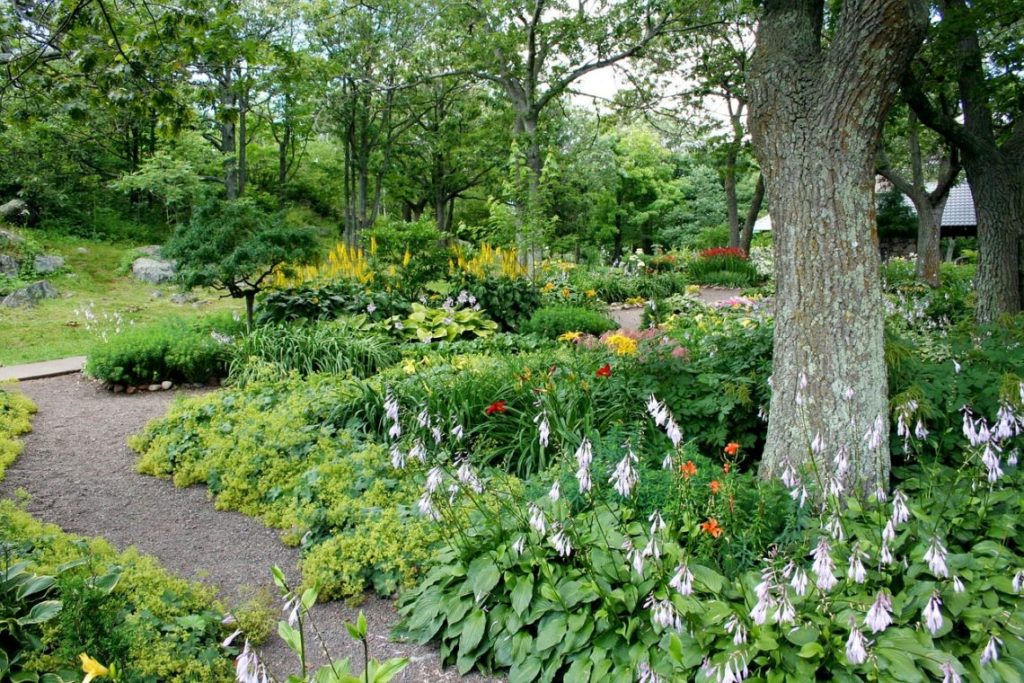
Wildlife-Friendly Landscaping: Creating Habitats in Your Backyard
Wildlife-friendly landscaping is an approach to garden design and maintenance that aims to create habitats and provide resources for local fauna. By incorporating native plants, natural features, and sustainable practices, homeowners can transform their yards into thriving ecosystems that support a diverse array of wildlife while still maintaining an attractive and functional outdoor space.
The Importance of Wildlife-Friendly Landscapes
As urban and suburban areas continue to expand, natural habitats for wildlife are increasingly fragmented and destroyed. This loss of habitat has led to declining populations of many species, including birds, butterflies, and beneficial insects. By implementing wildlife-friendly landscaping practices, homeowners can play a crucial role in conservation efforts and help mitigate the impact of urbanization on local ecosystems[1][2].
Wildlife-friendly landscapes offer numerous benefits:
- Biodiversity conservation
- Pollinator support
- Natural pest control
- Reduced maintenance and resource use
- Enhanced aesthetic appeal
- Educational opportunities for families and communities
Key Principles of Wildlife-Friendly Landscaping
1. Native Plant Selection
Native plants are the foundation of any wildlife-friendly landscape. These species have evolved alongside local fauna and are best adapted to provide food, shelter, and nesting sites for native wildlife. When selecting plants for your landscape, prioritize native species that are well-suited to your region's climate and soil conditions[1][2].
Benefits of native plants:
- Provide familiar food sources for local wildlife
- Require less water and maintenance once established
- Resist local pests and diseases more effectively
- Support specialized relationships with pollinators and other beneficial insects
2. Diverse Plant Structure
Creating a diverse plant structure is essential for attracting a wide range of wildlife species. Incorporate plants of varying heights, forms, and textures to create multiple layers within your landscape[1][2].
Key elements of a diverse plant structure:
- Canopy trees
- Understory trees and large shrubs
- Small shrubs and herbaceous plants
- Ground covers and low-growing plants
This vertical layering mimics natural habitats and provides different niches for various wildlife species, from ground-dwelling creatures to tree-dwelling birds[1].
3. Year-Round Resources
To support wildlife throughout the year, design your landscape to provide food, water, and shelter in all seasons. Consider the following:
- Spring-blooming plants for early pollinators
- Summer-fruiting shrubs for birds and small mammals
- Fall seed-producing plants for migrating birds
- Winter-persistent berries and evergreen cover for resident species
4. Water Sources
Incorporating water features into your landscape is crucial for attracting and supporting wildlife. Even small water sources can make a significant difference[1][2].
Water feature options:
- Bird baths
- Small ponds or water gardens
- Rain gardens
- Shallow dishes filled with pebbles and water for insects
Ensure that water sources are kept clean and replenished regularly to prevent mosquito breeding and maintain water quality[2].
5. Natural Cover and Shelter
Provide a variety of shelter options for wildlife to rest, hide from predators, and raise their young[1][2].
Shelter ideas:
- Brush piles or log piles for small mammals and reptiles
- Dense shrubs for nesting birds
- Rock piles for lizards and beneficial insects
- Leaf litter for overwintering insects and foraging birds
- Snags (dead trees) for cavity-nesting birds and bats (when safe to leave standing)
6. Reduced Chemical Use
Minimize or eliminate the use of chemical pesticides and fertilizers in your landscape. These products can harm beneficial insects, pollinators, and other wildlife, as well as contaminate water sources[2].
Alternative pest management strategies:
- Encourage natural predators like birds and beneficial insects
- Practice companion planting to deter pests
- Use physical barriers like row covers or handpicking pests
- Apply organic mulch to suppress weeds and improve soil health
7. Sustainable Maintenance Practices
Adopt maintenance practices that support wildlife and minimize disturbance to their habitats[1][2].
Wildlife-friendly maintenance tips:
- Leave seed heads and dried stalks standing through winter for food and shelter
- Delay spring cleanup to protect overwintering insects
- Reduce lawn areas and mow less frequently
- Create brush piles with pruned branches instead of removing them
- Avoid disturbing nesting sites during breeding seasons
Designing Your Wildlife-Friendly Landscape
When planning your wildlife-friendly landscape, consider the following steps:
Assess your site: Evaluate existing vegetation, soil conditions, sunlight exposure, and drainage patterns.
Identify local wildlife: Research the species native to your area and their specific habitat needs.
Create a base plan: Sketch your property, including existing features and areas for improvement.
Design plant communities: Group plants with similar water and sunlight requirements together.
Incorporate habitat features: Plan for water sources, shelter areas, and wildlife corridors.
Consider human needs: Balance wildlife habitat with areas for human use and enjoyment.
Implement in phases: Start with small projects and gradually expand your wildlife-friendly areas.
Native Plants for Wildlife
When selecting native plants for your wildlife-friendly landscape, consider species that provide multiple benefits to local fauna. Here are some examples of native plants that support wildlife in various regions:
Northeast
- Eastern Red Columbine (Aquilegia canadensis)
- New England Aster (Symphyotrichum novae-angliae)
- Highbush Blueberry (Vaccinium corymbosum)
- Red Oak (Quercus rubra)
Southeast
- Butterfly Weed (Asclepias tuberosa)
- Beautyberry (Callicarpa americana)
- Yaupon Holly (Ilex vomitoria)
- Southern Magnolia (Magnolia grandiflora)
Midwest
- Purple Coneflower (Echinacea purpurea)
- Wild Bergamot (Monarda fistulosa)
- Serviceberry (Amelanchier spp.)
- Bur Oak (Quercus macrocarpa)
Southwest
- Desert Marigold (Baileya multiradiata)
- Penstemon (Penstemon spp.)
- Manzanita (Arctostaphylos spp.)
- Desert Willow (Chilopsis linearis)
Pacific Northwest
- Oregon Grape (Mahonia aquifolium)
- Red-flowering Currant (Ribes sanguineum)
- Salal (Gaultheria shallon)
- Western Red Cedar (Thuja plicata)
Consult with local native plant societies or extension offices for region-specific plant recommendations suited to your area's unique climate and wildlife needs.
Creating Wildlife Corridors
Wildlife corridors are essential for connecting fragmented habitats and allowing animals to move safely between different areas. By linking your wildlife-friendly landscape with neighboring properties or nearby natural areas, you can create a network of habitats that support a wider range of species[1].
Tips for creating wildlife corridors:
- Collaborate with neighbors to create continuous planted areas
- Use native hedgerows or tree lines to connect larger habitat patches
- Minimize barriers like fences or walls, or provide openings for wildlife passage
- Incorporate a variety of plant types and structures along the corridor
- Maintain corridors with minimal disturbance to allow for wildlife movement
Attracting Specific Wildlife Groups
While a well-designed wildlife-friendly landscape will attract a variety of species, you can also incorporate features to attract specific groups of wildlife:
Butterflies and Pollinators
- Plant nectar-rich flowers in sunny areas
- Provide host plants for butterfly caterpillars
- Create pudding areas with damp sand or mud
- Avoid pesticide use, especially on flowering plants
Birds
- Offer a variety of food sources, including seeds, berries, and insects
- Provide nesting materials like twigs, grass clippings, and pet hair
- Install birdhouses or nesting platforms for different species
- Create dust baths using fine sand or bare soil patches
Beneficial Insects
- Plant diverse flowering species with different bloom times
- Leave areas of bare soil for ground-nesting bees
- Create insect hotels using hollow stems and drilled wood blocks
- Maintain leaf litter and woody debris for overwintering insects
Small Mammals
- Provide dense shrub cover and brush piles for shelter
- Plant native grasses and sedges for food and nesting material
- Create rock piles or log piles for denning sites
- Maintain corridors between habitat areas for safe movement
Overcoming Challenges in Wildlife-Friendly Landscaping
While the benefits of wildlife-friendly landscaping are numerous, there can be challenges to implementation. Here are some common issues and solutions:
Homeowner Association (HOA) Restrictions
Many HOAs have strict landscaping guidelines that may conflict with wildlife-friendly practices. To address this:
- Review HOA regulations and identify areas of flexibility
- Educate HOA board members about the benefits of wildlife-friendly landscaping
- Propose a demonstration area to showcase attractive, wildlife-friendly design
- Collaborate with like-minded neighbors to propose changes to HOA guidelines
Balancing Aesthetics and Wildlife Needs
Some homeowners worry that wildlife-friendly landscapes may appear messy or unkempt. To maintain an attractive appearance:
- Use defined edges and borders to create a sense of intentionality
- Incorporate hardscaping elements like paths or seating areas
- Choose native plants with attractive flowers, foliage, or form
- Maintain key areas of the landscape while allowing others to be more naturalistic
Managing Wildlife Conflicts
Attracting wildlife can sometimes lead to conflicts with human activities. To minimize issues:
- Use exclusion techniques to protect vegetable gardens or prized plants
- Implement deterrents for unwanted wildlife in specific areas
- Educate family members and neighbors about coexisting with wildlife
- Seek advice from local wildlife experts for persistent problems
Monitoring and Enjoying Your Wildlife-Friendly Landscape
As your wildlife-friendly landscape matures, take time to observe and document the species that visit your yard. This can be a rewarding and educational experience for the whole family.
Monitoring ideas:
- Keep a wildlife journal to record species sightings and behaviors
- Participate in citizen science projects like eBird or iNaturalist
- Set up wildlife cameras to capture nocturnal visitors
- Create a backyard species checklist and track seasonal changes
By actively engaging with your wildlife-friendly landscape, you'll gain a deeper appreciation for the local ecosystem and the positive impact of your conservation efforts.
Conclusion
Wildlife-friendly landscaping is a powerful tool for supporting biodiversity and creating meaningful connections with nature in our own backyards. By incorporating native plants, providing essential resources, and adopting sustainable practices, homeowners can transform their landscapes into vibrant ecosystems that benefit both wildlife and humans alike.
As you embark on your wildlife-friendly landscaping journey, remember that every small change can make a difference. Start with a few key elements and gradually expand your efforts over time. With patience and dedication, you'll create a thriving habitat that supports local wildlife and brings the beauty of nature right to your doorstep.
By embracing wildlife-friendly landscaping principles, we can collectively create a network of urban and suburban habitats that support biodiversity, enhance our local environments, and foster a deeper connection with the natural world around us.
Citations: [1] https://blog.dtelandscape.com/hereonearth/wildlife-friendly-landscaping [2] https://edis.ifas.ufl.edu/publication/WC450 [3] https://ffl.ifas.ufl.edu/media/fflifasufledu/docs/FFL-Handbook_03172022_web.pdf [4] https://www.sfwmd.gov/sites/default/files/documents/fflguidingprinciples.pdf [5] https://kirstenhines.com/landscaping-for-south-florida-wildlife-in-practice/