

Family-Friendly Landscape Designs: Creating Outdoor Spaces for All Ages
Introduction
In today's fast-paced world, where screen time often dominates and outdoor activities take a backseat, the importance of a well-designed, family-friendly landscape cannot be overstated. Your home's outdoor space is more than just a patch of grass or a decorative garden; it's an extension of your living area, a natural playground, and a haven for family bonding and memory-making. Creating a landscape that caters to the needs and desires of every family member, from toddlers to grandparents, is both an art and a science – one that combines safety, functionality, and aesthetic appeal.
Imagine stepping out into your backyard to find a harmonious blend of lush greenery, inviting play areas, cozy nooks for relaxation, and spaces that spark curiosity and learning. This is the essence of family-friendly landscape design – a thoughtful approach to outdoor living that enhances your family's quality of life and creates a nurturing environment for growth and togetherness.
The benefits of a well-designed family landscape extend far beyond mere visual appeal. Studies have shown that spending time in nature can significantly improve physical and mental health. For children, outdoor play is crucial for development, enhancing motor skills, creativity, and social interactions. Adults, too, benefit from outdoor spaces, finding stress relief and opportunities for physical activity. A study by the University of Exeter found that people who spend at least two hours a week in nature are significantly more likely to report good health and psychological well-being.
Moreover, a family-friendly landscape can become the backdrop for countless shared experiences. From backyard barbecues and birthday parties to quiet evenings stargazing or tending to a vegetable garden, these spaces foster connections and create lasting memories. They provide a safe, controlled environment for children to explore and learn about nature, while offering adults a retreat from the demands of daily life.
In this comprehensive guide, we'll explore the key elements of family-friendly landscape design. We'll delve into practical considerations like safety and low-maintenance options, as well as creative ideas for multi-functional spaces that grow with your family. Whether you're starting from scratch with a blank canvas or looking to revamp an existing outdoor area, you'll find inspiration and actionable advice to create a landscape that your entire family will love and use for years to come.
As we journey through various aspects of family-friendly landscaping, remember that the perfect outdoor space is one that reflects your family's unique personality and needs. It's about creating a balance – between safety and adventure, relaxation and activity, beauty and functionality. So, let's embark on this exciting journey to transform your outdoor space into a family paradise that will enrich your lives and bring you closer to nature and each other.
Safety First: Designing with Protection in Mind
When it comes to creating a family-friendly landscape, safety should be your top priority. A well-designed outdoor space balances the need for exploration and adventure with the imperative of protecting all family members, especially young children. Let's explore key considerations for designing a safe yet engaging landscape.
Childproofing Your Outdoor Space
Just as you would childproof the interior of your home, it's essential to apply the same principle to your outdoor areas. Here are some key strategies:
Smooth Surfaces: Ensure pathways and play areas have smooth, even surfaces to prevent trips and falls. Consider materials like rubber mulch or artificial turf for play areas.
Rounded Edges: Opt for furniture and hardscape elements with rounded edges to minimize the risk of injury from sharp corners.
Secure Heavy Items: Anchor large items like sculptures, heavy planters, or play equipment securely to prevent tipping.
Pool Safety: If you have a pool, install a fence with a self-latching gate. The U.S. Consumer Product Safety Commission provides comprehensive guidelines for pool safety.
Visibility: Design your landscape with clear sightlines, allowing you to easily supervise children from various vantage points.
Safe Plant Selections
Choosing the right plants is crucial for a family-friendly landscape. Consider the following:
Non-Toxic Plants: Avoid plants that are poisonous if ingested. The ASPCA provides a comprehensive list of toxic and non-toxic plants (while focused on pets, it's also applicable for children).
Allergen Awareness: Be mindful of common allergens. For example, male mulberry and maple trees produce significant pollen and might not be suitable for families with allergies.
Avoid Thorny Plants: Steer clear of plants with thorns or sharp edges, especially in areas where children play frequently.
Sturdy Plants: Choose robust plants that can withstand the occasional trampling or tugging from curious little hands.
Edible Gardens: If including an edible garden, ensure all plants are safe for consumption and teach children about safe harvesting practices.
Secure Boundaries and Fencing
Creating secure boundaries is essential for peace of mind and child safety:
Fencing: Install sturdy fencing around the perimeter of your yard. Ensure the design doesn't have footholds that children could use to climb over.
Gates: Use self-closing, self-latching gates. Position latches high enough to be out of reach of young children.
Natural Barriers: Consider using dense shrubs or hedges as natural barriers to define spaces and create secure play areas.
Property Lines: Clearly define property lines to prevent children from wandering into neighboring yards or streets.
Safe Play Structures
If incorporating play structures, keep these safety tips in mind:
Age-Appropriate Design: Choose equipment suitable for your children's ages and abilities.
Proper Installation: Ensure all play equipment is correctly installed and regularly inspected for stability.
Fall Zones: Install appropriate fall surfacing around play equipment. The Consumer Product Safety Commission provides guidelines on proper surfacing materials and depths.
Material Choice: Opt for playground equipment made from safe, splinter-free materials like plastic or rounded, smooth wood.
Outdoor Lighting for Safety
Proper lighting not only enhances the ambiance but also significantly improves safety:
Path Lighting: Illuminate walkways and steps to prevent trips and falls after dark.
Motion-Sensor Lights: Install motion-activated lights in key areas for security and to guide safe movement at night.
Pool Lighting: If you have a pool, ensure it's well-lit for nighttime safety.
Water Safety Beyond Pools
While pool safety is crucial, consider other water features as well:
Fountain Safety: Ensure decorative fountains are shallow or have protective grates to prevent accidents.
Rain Barrel Security: If using rain barrels for water conservation, make sure they're securely covered to prevent children from falling in.
Natural Water Features: For ponds or streams, consider installing a protective barrier or using plants to create a natural boundary.
Remember, creating a safe landscape doesn't mean sacrificing beauty or fun. With thoughtful design and careful planning, you can create an outdoor space that's both safe and engaging for the whole family. Regular maintenance and safety checks should become a routine part of your landscape care to ensure ongoing protection for your loved ones.
Multi-Functional Spaces: Catering to All Ages
Creating a family-friendly landscape means designing spaces that can adapt to the changing needs of your family and accommodate various activities simultaneously. Multi-functional areas not only maximize the use of your outdoor space but also encourage family interaction and shared experiences. Let's explore how to create versatile outdoor spaces that cater to all ages.
Versatile Lawn Areas
A well-designed lawn can serve as the centerpiece of your multi-functional landscape:
Open Space Design: Maintain an open, flat area of lawn that can serve multiple purposes – from casual sports and games to picnics and outdoor movie nights.
Durable Grass Selection: Choose grass varieties that can withstand heavy foot traffic. The Turfgrass Water Conservation Alliance provides resources on selecting durable, water-efficient grass types.
Defined Activity Zones: Use subtle landscaping techniques to define different activity zones within the lawn. For example, a slightly raised area could serve as a natural “stage” for performances or gatherings.
Movable Goal Posts: Install removable goal posts or nets that can be set up for soccer or other sports and easily stored when not in use.
Flexible Seating and Gathering Spaces
Create areas that can adapt to different group sizes and activities:
Modular Furniture: Invest in outdoor furniture that can be easily rearranged. This allows you to create intimate seating for a few people or larger arrangements for gatherings.
Built-in Seating: Incorporate built-in benches around the perimeter of patios or decks. These can double as storage units for outdoor toys or gardening supplies.
Multifunctional Structures: Consider structures like pergolas or gazebos that can serve as both shade providers and focal points for gatherings.
Outdoor Dining Areas: Create a space that can transition from casual family dinners to elegant entertainment for adults. Expandable tables and stackable chairs offer flexibility.
Adaptable Play Structures
Play areas should evolve with your children's changing interests and abilities:
Modular Play Systems: Invest in play equipment that can be reconfigured or expanded as children grow. Many manufacturers offer systems that allow you to add or swap out components over time.
Natural Play Elements: Incorporate natural elements like logs, boulders, or mounds that can serve as climbing structures for younger children and casual seating for teens or adults.
Multi-Age Design: Choose play structures that offer challenges for different age groups. For example, a treehouse with varying difficulty levels of access.
Creative Spaces: Include areas that encourage imaginative play, like a sandbox that can later be converted into a meditation garden or a blank wall for chalk art that can become a backdrop for outdoor movie nights.
Multipurpose Hardscaping
Thoughtful hardscaping can create spaces that serve multiple functions:
Convertible Water Features: Design water features that can be easily drained and used as additional seating or play areas when needed.
Multifunctional Deck Spaces: Build decks with different levels to naturally segment areas for dining, lounging, and play.
Retaining Walls as Seating: Design retaining walls at a height suitable for seating, adding functionality to necessary landscape features.
Adaptable Patio Spaces: Use different paving materials or patterns to subtly define areas on a patio that can be used for various purposes.
Tech-Friendly Outdoor Spaces
In today's digital age, consider incorporating tech-friendly elements that can enhance outdoor experiences:
Outdoor Wi-Fi: Extend your home's Wi-Fi coverage to outdoor areas, allowing for work-from-home flexibility or streaming for outdoor movie nights.
Weather-Resistant Power Outlets: Install outdoor-rated electrical outlets in key areas for powering speakers, laptops, or other devices.
Smart Lighting Systems: Implement smart outdoor lighting that can be adjusted to create the right ambiance for any activity, from bright lights for evening sports to soft mood lighting for adult gatherings.
Zones for Different Age Groups
While promoting family togetherness, it's also important to create spaces that cater to specific age groups:
Teen Hangout Areas: Design a space with comfortable seating, perhaps around a fire pit, where teenagers can socialize with friends.
Adult Relaxation Zones: Create a quiet nook with comfortable seating and attractive plantings where adults can relax and unwind.
Toddler-Safe Spaces: Designate a smaller, enclosed area with age-appropriate play equipment for the youngest family members.
Seasonal Adaptability
Consider how your outdoor spaces can adapt to different seasons:
Convertible Structures: Install retractable awnings or removable walls on pergolas to create indoor-outdoor spaces usable in various weather conditions.
Year-Round Plant Selection: Choose a mix of plants that offer interest in all seasons, from spring blooms to winter berries.
Heating Elements: Incorporate outdoor heating options like fire pits or patio heaters to extend the usability of outdoor spaces into cooler months.
By focusing on multi-functional design, you can create a landscape that not only meets the diverse needs of your family but also adapts as those needs change over time. This approach ensures that your outdoor space remains a central part of family life, fostering togetherness while allowing for individual pursuits and interests.
Low-Maintenance and Durability: Practical Choices for Busy Families
For many families, time is a precious commodity. Creating a low-maintenance landscape allows you to enjoy your outdoor space without the burden of constant upkeep. By focusing on durability and easy-care options, you can design a beautiful, functional landscape that stands up to family use while minimizing the time and effort required for maintenance.
Easy-Care Plants and Lawns
Choosing the right plants is key to a low-maintenance landscape:
Native Plants: Opt for plants native to your region. They're adapted to local climate conditions and typically require less water and care. The Lady Bird Johnson Wildflower Center offers a native plant database searchable by state.
Drought-Tolerant Species: Choose plants that can thrive with minimal watering once established. Succulents and many Mediterranean herbs are excellent choices.
Perennials Over Annuals: Focus on perennial plants that return year after year, reducing the need for frequent replanting.
Groundcovers: Use groundcovers in place of grass in hard-to-mow areas or on slopes. Options like creeping thyme or sedum are durable and require little maintenance.
Low-Maintenance Lawns: Consider alternatives to traditional lawns, such as:
- Clover lawns, which stay green with little water and don't need mowing
- Native grass meadows that only need annual mowing
- Artificial turf for high-traffic areas (though consider environmental impacts)
Mulching: Use mulch in planting beds to suppress weeds and retain moisture, reducing watering needs.
Durable Materials for Hardscaping
Choose materials that can withstand heavy use and weather exposure:
Concrete: Stamped or colored concrete can provide the look of more expensive materials with greater durability and less maintenance.
Composite Decking: While more expensive initially, composite decking resists fading, staining, and mold, and never needs to be sanded or refinished.
Stone Pavers: Natural stone or high-quality concrete pavers are long-lasting and require minimal upkeep.
Metal Furniture: Choose powder-coated metal outdoor furniture that resists rust and can be easily cleaned.
Weatherproof Fabrics: For outdoor cushions and umbrellas, select fabrics designed to resist fading, mildew, and stains.
Time-Saving Landscape Features
Incorporate features that reduce maintenance time:
Automated Irrigation Systems: Install a smart irrigation system that adjusts watering based on weather conditions. The EPA's WaterSense program provides information on water-efficient irrigation controllers.
Rain Gardens: Create a rain garden to manage stormwater runoff naturally, reducing erosion and the need for drainage solutions.
Xeriscaping: Implement xeriscaping principles to create an attractive, water-efficient landscape that requires minimal maintenance.
Hardscaping: Increase the ratio of hardscaping to planted areas. Patios, decks, and gravel paths require less ongoing care than lawns and garden beds.
Raised Beds: For vegetable or flower gardens, use raised beds to improve drainage, reduce weeds, and make gardening tasks easier on your back.
Low-Maintenance Water Features
If you want to include water features, opt for low-maintenance designs:
Pondless Water Features: Choose fountains or waterfalls that recirculate water without an open pond, reducing algae growth and safety concerns.
Self-Cleaning Ponds: If you do install a pond, consider systems with built-in filtration and cleaning mechanisms.
Native Aquatic Plants: In water gardens, use native aquatic plants that naturally help maintain water quality.
Durable Play Areas
Create play spaces that can withstand enthusiastic use:
Rubber Mulch: Use rubber mulch under play equipment. It's long-lasting, maintains its depth, and provides excellent fall protection.
Synthetic Turf: Consider synthetic turf for play areas. It stands up to heavy foot traffic and requires no mowing or watering.
Concrete Ping Pong or Chess Tables: Install durable concrete game tables that can withstand weather and frequent use.
Easy-Clean Surfaces
Choose materials and designs that make cleaning simple:
Smooth Surfaces: Opt for smooth-surfaced pavers or decking that can be easily swept or power-washed.
Stain-Resistant Materials: Select materials for outdoor kitchens and dining areas that resist stains and can be easily wiped clean.
Good Drainage: Ensure all surfaces have proper drainage to prevent water accumulation and reduce cleaning needs.
Low-Maintenance Fencing
Select fencing options that require minimal upkeep:
Vinyl Fencing: While more expensive initially, vinyl fencing never needs painting and resists weathering.
Aluminum Fencing: Powder-coated aluminum fencing is another low-maintenance option that won't rust or require painting.
Composite Fencing: Made from recycled materials, composite fencing offers the look of wood without the maintenance.
Sustainable Practices
Implement sustainable practices that reduce maintenance over time:
Composting: Set up a composting system to recycle yard and kitchen waste into nutrient-rich soil amendment.
Grass Cycling: Leave grass clippings on the lawn when mowing to return nutrients to the soil and reduce fertilizer needs.
Integrated Pest Management: Use IPM practices to manage pests naturally, reducing the need for chemical interventions.
By incorporating these low-maintenance and durable design choices, you can create a family-friendly landscape that's both beautiful and practical. Remember, the goal is to spend more time enjoying your outdoor space with your family and less time maintaining it. With thoughtful planning and smart material choices, you can achieve a landscape that meets your family's needs without becoming a burden on your time and resources.
Educational Opportunities in the Landscape
A well-designed family landscape can be more than just a beautiful outdoor space—it can be an interactive classroom that sparks curiosity, fosters learning, and encourages a deeper connection with nature. By incorporating educational elements into your landscape, you create opportunities for hands-on learning experiences that can benefit family members of all ages.
Vegetable Gardens and Edible Landscapes
Growing food is an excellent way to teach children about nature, nutrition, and responsibility:
Family Vegetable Plot: Designate an area for a family vegetable garden. Involve children in planning, planting, caring for, and harvesting crops. The National Gardening Association offers resources for gardening with kids.
Herb Spiral: Create an herb spiral, which is not only attractive but also teaches about different growing conditions in a small space.
Fruit Trees and Bushes: Plant dwarf fruit trees or berry bushes. These provide lessons in seasonal changes, pollination, and patience.
Edible Flowers: Incorporate edible flowers into your landscape to teach about the diverse uses of plants.
Composting Area: Set up a composting system to teach about decomposition and nutrient cycles.
Wildlife-Friendly Design Elements
Attract and observe local wildlife to learn about ecosystems and animal behavior:
Bird Feeders and Houses: Install various types of bird feeders and houses to attract different species. Use a bird identification guide to learn about local birds.
Butterfly Garden: Plant flowers that attract butterflies and provide information about their life cycles. The North American Butterfly Association offers guidance on creating butterfly gardens.
Insect Hotels: Build insect hotels to attract beneficial insects and learn about their roles in the ecosystem.
Pond or Water Feature: If space allows, create a small pond to attract amphibians and aquatic insects. Even a small water feature can become a hub of biodiversity.
Native Plant Areas: Dedicate an area to native plants and learn about local ecosystems and plant adaptations.
Outdoor Learning Stations
Create designated areas for specific learning activities:
Weather Station: Set up a simple weather station with a rain gauge, thermometer, and wind vane. Keep a log to track weather patterns over time.
Sundial: Install a sundial and use it to teach about Earth's rotation and timekeeping.
Art Area: Designate a space for outdoor art projects, with an easel or chalkboard wall for creative expression.
Sensory Garden: Design a sensory garden with plants that engage all five senses, perfect for young children to explore.
Microscope Station: Set up an outdoor table with magnifying glasses and a digital microscope for examining plants, insects, and soil up close.
Sustainable Energy Demonstrations
Incorporate elements that teach about renewable energy:
Solar-Powered Features: Install solar-powered lights or a small fountain to demonstrate solar energy.
Wind Chimes or Pinwheels: Use these to teach about wind power and air movement.
Rain Barrel: Collect rainwater for garden use and teach about water conservation.
Geology and Earth Science Elements
Incorporate features that teach about the Earth:
Rock Garden: Create a rock garden with labeled specimens of different rock types.
Erosion Demonstration: Design a sloped area with different ground covers to demonstrate erosion principles.
Fossil Dig Area: Set up a sandbox with buried replica fossils for excavation play.
Math and Science in the Landscape
Use landscape elements to reinforce math and science concepts:
Geometric Garden Beds: Design garden beds in various geometric shapes.
Measurement Area: Mark off a meter or yard on a path or fence for easy measuring of plants or other objects.
Fibonacci Spiral: Create a garden bed or path in the shape of a Fibonacci spiral to teach about this mathematical sequence found in nature.
Sunflower Math: Plant sunflowers and use their seed heads to teach about the golden ratio and phyllotaxis.
Historical and Cultural Learning
Incorporate elements that teach about history and diverse cultures:
Heritage Garden: Plant vegetables or flowers that have historical significance to your region or family heritage.
Cultural Art: Include outdoor art or structures that represent different cultures, such as a Japanese-inspired tea house or a Native American medicine wheel garden.
Time Capsule: Create a family time capsule to bury in the garden, teaching about preservation and change over time.
Language and Literature in the Landscape
Use your outdoor space to encourage reading and language skills:
Story Circle: Create a comfortable seating area for outdoor reading and storytelling.
Plant Labels: Label plants with both common and scientific names to build vocabulary.
Quote Garden: Incorporate garden stones or plaques with favorite literary quotes.
Alphabet Garden: For younger children, create a garden with plants representing each letter of the alphabet.
Physical Science Demonstrations
Use landscape elements to demonstrate physical science principles:
Simple Machines: Incorporate examples of simple machines, like a lever (seesaw), wheel and axle (wagon), or pulley (for a bird feeder).
Sound Garden: Create an area with outdoor musical instruments or wind chimes to explore sound.
Shadow Study Area: Designate a space to observe and track shadows throughout the day or year.
Encouraging Ongoing Learning
To make the most of these educational opportunities:
Information Stations: Create weatherproof information cards or a digital QR code system to provide more details about various landscape elements.
Family Projects: Regularly engage in family projects related to your educational landscape features, like keeping a shared nature journal or conducting citizen science projects.
Seasonal Activities: Plan different educational activities for each season to keep learning fresh and relevant.
Community Involvement: Consider opening your garden for school field trips or community education events.
By thoughtfully incorporating these educational elements into your family landscape, you create a rich, interactive learning environment. This approach not only enhances your outdoor space but also fosters a love of learning and a deeper connection with the natural world for all family members. Remember, the goal is to create opportunities for discovery and exploration that can spark lifelong interests and valuable family conversations.
Balancing Adult Relaxation with Children's Play
Creating a family-friendly landscape that truly works for everyone means finding the right balance between areas for adult relaxation and spaces for children's play. The goal is to design an outdoor environment where parents can unwind and socialize while still supervising and engaging with their children. Here's how to achieve this delicate balance:
Creating Adult Sanctuary Spaces
Adults need areas where they can relax, entertain, and enjoy some quiet time:
Secluded Seating Areas: Create cozy nooks with comfortable seating, partially screened by plants or structures for a sense of privacy.
Outdoor Living Rooms: Design outdoor spaces that mimic indoor comfort, with weather-resistant sofas, coffee tables, and even outdoor rugs.
Zen Gardens: Incorporate elements of Japanese garden design, like rock gardens or water features, to create a serene atmosphere.
Adult-Friendly Amenities: Consider adding features like a hot tub, outdoor fireplace, or a dedicated grilling station.
Shade Structures: Install pergolas, shade sails, or large umbrellas to provide comfortable, sun-protected areas for relaxation.
Outdoor Bars: If appropriate for your family, consider adding a small outdoor bar or beverage station for adult entertainment.
Integrating Play Areas Harmoniously
Children's play areas should be designed to blend seamlessly with the overall landscape:
Natural Play Spaces: Use natural elements like logs, boulders, and mounds to create play areas that complement the landscape design.
Themed Play Structures: Choose play equipment that matches your overall landscape style, such as a rustic treehouse in a woodland-themed garden.
Multifunctional Elements: Incorporate features that serve both as play elements and landscape design, like a dry creek bed that doubles as a play area.
Visually Pleasing Equipment: Select play equipment in colors and materials that complement your landscape palette.
Zoned Areas: Use subtle landscaping techniques like changes in ground material or low hedges to define play zones without creating stark divisions.
Shared Spaces for Family Bonding
Create areas that encourage family interaction and can be enjoyed by all ages:
Outdoor Dining Areas: Design spacious dining areas that can accommodate family meals and entertaining.
Fire Pit Circles: Install a fire pit with surrounding seating for family gatherings, storytelling, and marshmallow roasting.
Game Areas: Set up outdoor game areas suitable for various ages, such as a bocce court, horseshoe pit, or giant chess set.
Movie Nights: Create an outdoor movie viewing area with comfortable seating and a projector screen.
Garden Work Areas: Designate areas for family gardening projects, with tools and spaces suitable for both adults and children.
Clever Design Strategies
Employ design techniques that allow for simultaneous adult relaxation and child supervision:
Sight Lines: Design the landscape with clear sight lines from adult relaxation areas to children's play spaces.
Tiered Spaces: Use multi-level design to create separate yet connected areas, like a raised deck overlooking a play area.
Central Gathering Spots: Position shared amenities like a pool or outdoor kitchen centrally, allowing adults to supervise while engaging in their own activities.
Flexible Furnishings: Choose movable, multifunctional furniture that can adapt to different uses and group sizes.
Sound Barriers: Use water features or strategic plantings to create white noise, allowing for adult conversations while masking some of the noise from play areas.
Safety Considerations
Implement safety features that allow for more relaxed adult supervision:
Fencing: Install secure fencing around the entire yard and any water features to prevent unsupervised wandering.
Soft Surfaces: Use impact-absorbing materials like rubber mulch under play equipment to reduce injury risk.
Non-Toxic Plants: Ensure all plants in the landscape, especially near play areas, are non-toxic.
Lighting: Install adequate lighting throughout the landscape for safe evening use by all family members.
Age-Appropriate Zones
Create spaces that cater to different age groups:
Toddler Areas: Design enclosed, safe spaces for the youngest family members with age-appropriate play equipment.
Tween/Teen Spaces: Include areas for older children, like a skateboard ramp, basketball hoop, or a 'hangout' zone with Wi-Fi access.
Multigenerational Spaces: Consider the needs of grandparents or older family members with accessible pathways and comfortable seating throughout the landscape.
Transitional Spaces
Design areas that can transition between adult and child use:
Convertible Spaces: Create spaces that can be easily converted, like a splash pad that becomes an elegant water feature for evening entertaining.
Day-to-Night Transitions: Use lighting and movable elements to transition play spaces into evening relaxation areas.
Seasonal Flexibility: Design spaces that can adapt to different uses throughout the year, like a sledding hill that becomes a picnic spot in summer.
Privacy Considerations
Balance openness for supervision with privacy for relaxation:
Vertical Gardens: Use living walls or tall plantings to create privacy screens where needed.
Retractable Screens: Install retractable privacy screens that can be used when desired.
Strategic Structures: Position sheds, pergolas, or other structures to create private nooks within the larger landscape.
Encouraging Independence
Design elements that allow children to play independently while staying safe:
Challenge Courses: Create age-appropriate obstacle courses or nature trails that children can navigate on their own.
Discovery Stations: Set up self-directed learning stations throughout the landscape, like weather monitoring equipment or nature observation areas.
Kid-Sized Spaces: Include small hideaways or playhouses where children can engage in imaginative play within sight of adult areas.
Maintenance and Durability
Choose materials and designs that withstand both adult and child use:
Easy-Clean Surfaces: Select materials for adult areas that can withstand spills and are easy to clean.
Durable Play Equipment: Choose commercial-grade play equipment that can withstand heavy use and varying weather conditions.
Low-Maintenance Plants: Select hardy, low-maintenance plants that can recover from occasional trampling or ball games.
By thoughtfully incorporating these elements and strategies, you can create a landscape that truly serves all family members. The key is to design spaces that flow together harmoniously, allowing for both separation and connection as needed. This balanced approach ensures that adults can find moments of relaxation and social connection while children have safe, engaging spaces for play and exploration. Ultimately, a well-designed family landscape becomes a space where everyone can enjoy time together and create lasting memories.
Proper Lighting for Safety and Extended Use
Well-designed outdoor lighting is essential in a family-friendly landscape. It not only extends the usability of your outdoor spaces into the evening hours but also significantly enhances safety and security. Proper lighting can create ambiance, highlight landscape features, and ensure safe navigation throughout your outdoor areas. Let's explore how to implement effective lighting in your family landscape.
Pathway and Step Lighting
Ensuring safe navigation is crucial in a family-friendly landscape:
Path Lights: Install low-level lights along walkways and paths. Solar-powered options are energy-efficient and easy to install.
Step Lights: Use recessed lights or under-tread lighting on stairs to prevent trips and falls.
Motion-Activated Lights: Install motion-sensor lights along less-used paths or near entrances for added security and convenience.
Driveway Lighting: Illuminate the edges of your driveway for safe vehicle and pedestrian access.
Consistent Spacing: Place pathway lights at regular intervals to provide even illumination without dark spots.
Security Lighting
Enhance the safety of your outdoor spaces with strategic security lighting:
Floodlights: Install bright, wide-angle lights in key areas like the backyard or side of the house. Consider motion-activated options to conserve energy.
Entry Lighting: Ensure all entry points to your home are well-lit with fixtures on both sides of doors if possible.
Landscape Lighting: Use uplighting on trees and structures near the property line to eliminate potential hiding spots.
Smart Lighting Systems: Implement smart outdoor lighting that can be controlled remotely and programmed to mimic occupancy when you're away.
Balanced Brightness: Avoid creating overly bright areas next to dark spots, which can create blind spots and reduce overall visibility.
Ambient Lighting for Evening Enjoyment
Create a warm and inviting atmosphere for extended outdoor use:
String Lights: Hang weatherproof string lights over patios, decks, or seating areas for a festive ambiance.
Lanterns: Use portable lanterns or hurricane lamps on tables or hanging from shepherd's hooks for flexible lighting.
Uplighting: Illuminate trees, architectural features, or garden sculptures from below to create dramatic effects and depth.
Moonlighting: Install lights high in trees pointing downward to mimic natural moonlight.
Fire Features: Incorporate fire pits, outdoor fireplaces, or tiki torches for natural, warm lighting.
Functional Area Lighting
Ensure task-specific areas are properly illuminated:
Outdoor Kitchen Lighting: Install bright, directional lighting over grilling and prep areas.
Pool and Water Feature Lighting: Use submersible lights in pools, ponds, and fountains for safety and visual appeal.
Play Area Lighting: Illuminate play structures and sports areas with adjustable flood lights that can be turned off when not in use.
Garden Lighting: Use small, directional lights to highlight specific plants or garden beds.
Storage Area Lighting: Install bright, practical lighting near sheds, garages, or other storage areas.
Safety Considerations
Prioritize safety in your lighting design:
Glare Reduction: Choose fixtures with glare shields or indirect lighting to prevent harsh glare.
Light Temperature: Opt for warm white lights (2700-3000K) for a cozy feel, reserving cooler lights for task-specific areas.
Dark Sky Compliance: Select fixtures that direct light downward to reduce light pollution and preserve the night sky. The International Dark-Sky Association provides guidelines for responsible outdoor lighting.
Weatherproof Fixtures: Ensure all outdoor fixtures are rated for outdoor use and can withstand your local climate conditions.
Child-Safe Wiring: Keep wires and electrical connections out of reach of children and pets.
Energy Efficiency and Sustainability
Implement eco-friendly lighting solutions:
LED Bulbs: Use LED lights for energy efficiency and long life.
Solar-Powered Options: Incorporate solar-powered lights where possible, especially for path lighting and decorative features.
Timers and Photocells: Use automatic timers or photocell sensors to ensure lights are only on when needed.
Zoned Lighting: Create separate lighting zones that can be controlled independently to avoid illuminating unused areas.
Low-Voltage Systems: Consider low-voltage lighting systems for safety and energy efficiency.
Aesthetic Considerations
Enhance the beauty of your landscape with thoughtful lighting design:
Layered Lighting: Combine different types of lighting (ambient, task, and accent) to create depth and interest.
Cohesive Style: Choose lighting fixtures that complement your home's architecture and landscape design.
Color-Changing Options: Consider LED lights with color-changing capabilities for festive occasions or to create different moods.
Shadow Play: Use lighting to cast interesting shadows from plants or structures for added visual interest.
Seasonal Adaptability: Plan lighting that can adapt to different seasons, like highlighting deciduous trees in winter or illuminating spring blooms.
Practical Tips for Implementation
Consider these practical aspects when installing landscape lighting:
Professional Consultation: For complex lighting designs, consider consulting a landscape lighting professional.
Electrical Capacity: Ensure your home's electrical system can handle the additional load of extensive outdoor lighting.
Future-Proofing: Install conduit or leave access points for future lighting additions or changes.
Control Systems: Implement user-friendly control systems, including smartphone apps for easy management of your outdoor lighting.
Regular Maintenance: Establish a routine for checking and maintaining outdoor lights, including cleaning fixtures and replacing bulbs.
Special Considerations for Families
Tailor your lighting design to your family's specific needs:
Nightlight Pathways: Create subtle nightlight pathways from bedrooms to bathrooms or the kitchen for late-night needs.
Adjustable Brightness: Install dimmers on key lighting areas to adjust brightness levels for different activities or times of day.
Safety Spotlights: Place lights strategically to illuminate potential hazards like steps, water features, or changes in terrain.
Playful Lighting: Incorporate fun lighting elements like glow-in-the-dark pavers or light-up furniture for a whimsical touch kids will love.
Educational Opportunities: Use lighting to highlight educational features in the landscape, like sundials or star-gazing areas.
By implementing a well-thought-out lighting plan, you can significantly enhance the safety, functionality, and beauty of your family-friendly landscape. Proper lighting extends the usability of your outdoor spaces, creates a welcoming atmosphere for family gatherings, and ensures that all members of the family can safely enjoy the outdoor environment at any time of day. Remember, the key is to balance practical lighting needs with aesthetic considerations, creating an outdoor space that is both beautiful and functional from dawn to dusk and beyond.
Water Features: Beauty and Fun for All Ages
Water features can transform a family landscape into a mesmerizing oasis, providing visual interest, soothing sounds, and opportunities for play and learning. When designed with safety and functionality in mind, water features can be enjoyed by family members of all ages. Here's how to incorporate water elements into your family-friendly landscape:
Safe Water Feature Designs
Safety is paramount when incorporating water into a family landscape:
Shallow Depths: For ponds or reflective pools, keep water depths to a minimum, ideally no more than 18 inches deep.
Gradual Slopes: Design pond edges with gradual slopes for easy exit if someone falls in.
Non-Slip Surfaces: Use textured materials around water features to prevent slips and falls.
Barrier Protection: For larger water features, consider installing fencing or dense plantings as a safety barrier.
Visibility: Ensure all water features are visible from main viewing areas of the house for easy supervision.
Childproof Pumps and Filters: Secure all mechanical elements of water features to prevent curious hands from accessing them.
Interactive Water Play Elements
Incorporate elements that encourage safe interaction with water:
Splash Pads: Install a small splash pad with water jets that can be turned on and off. These provide fun water play without the risks associated with standing water.
Shallow Streams: Create a meandering stream with a pebble bottom, perfect for wading and toy boat races.
Water Walls: Design a water wall where kids can interact with falling water, adjusting flow and creating patterns.
Stepping Stone Paths: Place stepping stones through shallow water areas to create fun pathways.
Water Tables: For younger children, include a water table for safe, contained water play.
Soothing Water Features for Relaxation
Add elements that create a peaceful atmosphere for adults:
Fountains: Install a variety of fountains, from small tabletop versions to larger standalone pieces.
Waterfalls: Create a natural-looking waterfall using rocks and plants for a serene backdrop.
Reflecting Pools: Design a still water surface for reflection, adding depth and tranquility to the landscape.
Pondless Water Features: Implement a pondless waterfall or fountain where water disappears into a gravel bed, combining visual appeal with safety.
Rain Chains: Replace traditional downspouts with decorative rain chains for a subtle water feature during rainy weather.
Educational Water Elements
Incorporate water features that offer learning opportunities:
Rain Gardens: Create a rain garden to manage stormwater runoff and teach about water conservation.
Water Wheels: Install small water wheels in streams or fountains to demonstrate simple machines and water power.
Aquatic Plant Displays: Include a variety of aquatic plants in ponds or container water gardens to teach about different ecosystems.
Water Conservation Systems: Implement a rainwater harvesting system with visible elements to educate about water conservation.
Vortex Fountain: Create a vortex water feature to demonstrate principles of fluid dynamics in an engaging way.
Natural Swimming Pools
For families interested in a more immersive water experience:
Chemical-Free Filtration: Design a natural swimming pool that uses plants and beneficial bacteria for filtration instead of chemicals.
Gradual Entry: Create a beach-like gradual entry for safe access for all ages.
Separate Zones: Divide the pool into swimming and regeneration zones, with the latter filled with water-cleaning plants.
Natural Aesthetics: Use rocks, plants, and natural materials to integrate the pool seamlessly into the landscape.
Safety Considerations: Ensure proper fencing and safety measures are in place, adhering to local regulations for residential pools.
Maintenance and Practical Considerations
Keep these factors in mind for long-term enjoyment of your water features:
Filtration Systems: Install efficient filtration systems to keep water clean and clear.
Easy Drainage: Design features with easy drainage options for cleaning and winter preparation.
Mosquito Prevention: Incorporate moving water or mosquito-eating fish to prevent these pests.
Winter Protection: Plan for winterization of water features in cold climates.
Sustainable Practices: Use rain barrels or cisterns to collect water for use in water features.
Lighting for Water Features
Enhance the beauty and safety of water features after dark:
Underwater Lighting: Use submersible LED lights to illuminate ponds and fountains from within.
Periphery Lighting: Install landscape lighting around water features for safe navigation and visual appeal.
Color-Changing Options: Consider color-changing lights for dynamic evening displays.
Solar Options: Use solar-powered lights for energy efficiency in areas away from electrical outlets.
Safety Illumination: Ensure all walkways and edges around water features are well-lit for safety.
Integrating Water Features into the Overall Landscape
Seamlessly incorporate water elements into your landscape design:
Natural Look: Use local stones and native plants around water features for a natural, integrated appearance.
Sound Considerations: Position water features where the sound of moving water can be enjoyed from seating areas.
Focal Points: Use water features as focal points in the landscape, visible from key viewing areas.
Complementary Plantings: Surround water features with appropriate plantings that thrive in moist environments.
Multi-Season Interest: Design water features that offer visual interest even in winter, such as architectural fountains or ice formations.
Wildlife Considerations
Enhance your water features by making them wildlife-friendly:
Bird Baths: Incorporate shallow bird baths or fountain elements specifically designed for birds.
Butterfly Puddling Areas: Create small, shallow puddles with minerals for butterflies.
Fish Habitats: If including fish in ponds, provide adequate depth and hiding spots for their safety.
Amphibian Homes: Include partially submerged logs or rocks as habitats for frogs and other amphibians.
Native Aquatic Plants: Use native aquatic plants to attract local wildlife and create a balanced ecosystem.
Safety Equipment and Practices
Ensure your family is prepared for water safety:
Life Rings: Keep life rings or other flotation devices easily accessible near larger water features.
First Aid Kit: Maintain a waterproof first aid kit in the outdoor area.
Water Safety Education: Educate all family members about water safety rules and practices.
Supervision Guidelines: Establish clear rules about adult supervision required for water feature use.
Emergency Shut-Off: Ensure all family members know how to quickly shut off pumps and water flow in case of emergencies.
By thoughtfully incorporating these elements, you can create water features that are safe, engaging, and enjoyable for all family members. Water features can add a magical quality to your landscape, providing opportunities for play, relaxation, and learning. Remember to always prioritize safety, especially with young children, and to balance the aesthetic appeal of water features with their practical functionality in a family setting. With proper design and maintenance, your water features can become beloved centerpieces of your family-friendly outdoor space.
Family-Friendly Landscape Designs: Sports and Recreation Areas
Creating dedicated spaces for sports and recreational activities is an essential aspect of designing a family-friendly landscape. These areas not only promote physical activity and healthy lifestyles but also provide opportunities for family bonding and social interaction. This section explores various options for incorporating sports and recreation areas into your landscape design.
Multi-Purpose Courts
A versatile multi-purpose court can be an excellent addition to a family landscape. Consider the following options:
- Basketball court: A half-court or full-court setup can provide endless hours of fun for family members of all ages.
- Tennis court: For families who enjoy racquet sports, a tennis court can be a great investment.
- Pickleball court: This increasingly popular sport requires less space than tennis and is suitable for all age groups.
Tip: Use lines of different colors to mark boundaries for multiple sports on the same court, maximizing the use of space.
Lawn Games Area
Designate a flat, grassy area for various lawn games. This space can accommodate activities such as:
- Croquet
- Bocce ball
- Badminton
- Frisbee
- Cornhole
Ensure the area is large enough to safely accommodate these activities without interfering with other landscape elements.
Playground Equipment
For families with younger children, incorporating playground equipment can create a fun and safe play area. Consider:
- Swing sets
- Slides
- Climbing structures
- Sandboxes
- Playhouses
When selecting and placing playground equipment, prioritize safety by using appropriate ground covering materials and ensuring adequate fall zones around each piece of equipment.
Putting Green
For golf enthusiasts, a small putting green can be a fun and challenging addition to the landscape. This feature can be designed to blend seamlessly with the overall landscape aesthetic while providing a space for practice and family competition.
Outdoor Fitness Area
Create a dedicated space for outdoor exercise equipment, catering to adults and older children. This area might include:
- Weather-resistant exercise machines
- Pull-up bars
- Resistance band stations
- Balance beams
- Yoga/stretching area
Considerations for Sports and Recreation Areas
When incorporating these elements into your landscape design, keep the following factors in mind:
- Safety: Ensure proper surfacing, adequate lighting, and clear sightlines for supervision.
- Accessibility: Design pathways and transitions that allow easy access for all family members, including those with mobility challenges.
- Maintenance: Consider the upkeep requirements for each recreational element and choose options that align with your maintenance capabilities.
- Integration: Blend recreational areas with the overall landscape design through strategic placement, complementary plantings, and cohesive color schemes.
- Flexibility: Design spaces that can evolve as your family's needs and interests change over time.
- Noise considerations: Place active areas away from quiet zones and property lines to minimize disturbance to neighbors.
- Shade: Incorporate natural or built shade elements to protect users from excessive sun exposure during play.
By thoughtfully integrating sports and recreation areas into your family-friendly landscape, you can create a dynamic outdoor space that encourages physical activity, family interaction, and lasting memories.
Family-Friendly Landscape Designs: Outdoor Living and Entertainment Spaces
Creating inviting outdoor living and entertainment spaces is crucial for a family-friendly landscape. These areas serve as extensions of your home, providing comfortable settings for relaxation, dining, and socializing. This section explores various elements to consider when designing outdoor living spaces that cater to family needs and enhance your overall landscape.
Patio or Deck
A well-designed patio or deck forms the foundation of your outdoor living area. Consider the following:
- Size: Ensure the space is large enough to accommodate your family and potential guests comfortably.
- Materials: Choose durable, low-maintenance materials that complement your home's architecture and landscape style.
- Layout: Create distinct zones for different activities (e.g., dining, lounging, cooking).
- Accessibility: Ensure smooth transitions between indoor and outdoor spaces for easy flow.
Outdoor Kitchen
An outdoor kitchen can transform your backyard into a culinary haven. Key elements to consider include:
- Built-in grill or smoker
- Countertop space for food preparation
- Sink for easy cleanup
- Refrigerator or cooler for beverages and perishables
- Storage for utensils and cooking equipment
- Adequate lighting for evening cooking
Dining Area
Create a dedicated space for outdoor meals with family and friends:
- Choose weather-resistant tables and chairs that can accommodate your family size.
- Consider including an umbrella or pergola for shade during daytime meals.
- Install ambient lighting for evening dining experiences.
Lounge Area
Design a comfortable space for relaxation and conversation:
- Select durable, weather-resistant outdoor furniture (e.g., sofas, chairs, coffee tables).
- Incorporate throw pillows and outdoor rugs for added comfort and style.
- Create a focal point, such as a fire pit or outdoor fireplace, for gatherings.
Play and Entertainment Features
Integrate elements that cater to various age groups and interests:
- Outdoor movie screen or projector setup
- Game tables (e.g., ping pong, foosball)
- Giant board games (e.g., chess, checkers)
- Musical instruments or sound system for outdoor concerts
Shade Structures
Provide protection from the sun and create comfortable outdoor spaces:
- Pergolas or arbors with climbing plants
- Retractable awnings
- Shade sails
- Strategically placed trees or large umbrellas
Lighting
Implement a layered lighting approach to extend the usability of your outdoor spaces into the evening:
- Ambient lighting: Overall illumination (e.g., string lights, lanterns)
- Task lighting: Focused light for specific activities (e.g., grill lights, path lights)
- Accent lighting: Highlighting landscape features or architecture (e.g., uplights, spotlights)
Privacy Solutions
Create a sense of seclusion and intimacy in your outdoor living spaces:
- Strategic placement of trees or large shrubs
- Decorative screens or lattice panels
- Outdoor curtains or retractable screens
- Living walls or vertical gardens
Considerations for Outdoor Living and Entertainment Spaces
When designing these areas, keep the following factors in mind:
- Flow: Ensure smooth transitions between different outdoor zones and indoor spaces.
- Versatility: Design spaces that can adapt to various activities and group sizes.
- Storage: Incorporate storage solutions for outdoor equipment, toys, and furniture cushions.
- Weather protection: Consider options for shelter from rain or wind to extend the usability of outdoor spaces.
- Safety: Ensure proper railings, non-slip surfaces, and adequate lighting for all areas.
- Maintenance: Choose materials and design elements that are easy to clean and maintain.
- Aesthetics: Coordinate colors, materials, and styles with your home's architecture and overall landscape design.
- Sustainability: Incorporate eco-friendly features such as energy-efficient lighting or rainwater collection systems.
By thoughtfully designing outdoor living and entertainment spaces, you can create a welcoming extension of your home that encourages family togetherness, relaxation, and memorable gatherings in your landscape.
Family-Friendly Landscape Designs: Sustainable and Eco-Friendly Practices
Incorporating sustainable and eco-friendly practices into your family-friendly landscape not only benefits the environment but also provides valuable learning opportunities for children and creates a healthier outdoor space for your family. This section explores various ways to make your landscape more sustainable and environmentally conscious.
Water Conservation
Implement water-saving strategies to reduce consumption and promote responsible use:
Drought-tolerant landscaping (xeriscaping)
- Choose native and adapted plants that require less water
- Group plants with similar water needs together
Efficient irrigation systems
- Install drip irrigation or soaker hoses for targeted watering
- Use smart controllers with moisture sensors to prevent overwatering
Rainwater harvesting
- Install rain barrels or cisterns to collect roof runoff
- Use collected water for irrigation during dry periods
Permeable surfaces
- Incorporate permeable pavers or gravel in hardscaping to allow water infiltration
- Reduce runoff and promote groundwater recharge
Native and Pollinator-Friendly Plantings
Create a landscape that supports local ecosystems:
Choose native plant species adapted to your region
- Require less maintenance and water
- Provide habitat for local wildlife
Design pollinator gardens
- Include a variety of flowering plants that bloom throughout the seasons
- Attract bees, butterflies, and hummingbirds
Create wildlife-friendly spaces
- Install bird feeders, baths, and houses
- Incorporate berry-producing shrubs and trees
Organic Gardening Practices
Maintain a healthy landscape without harmful chemicals:
Composting
- Set up a family composting station for kitchen scraps and yard waste
- Use compost to enrich soil naturally
Natural pest control
- Encourage beneficial insects through companion planting
- Use organic pest control methods (e.g., neem oil, insecticidal soaps)
Chemical-free lawn care
- Practice grasscycling (leaving grass clippings on the lawn)
- Use organic fertilizers and soil amendments
Energy-Efficient Landscaping
Design your landscape to reduce energy consumption:
Strategic tree placement
- Plant deciduous trees on the south and west sides of your home for summer shade
- Use evergreens as windbreaks on the north side
Green roofs or living walls
- Incorporate vegetation on roofs or walls to provide insulation and reduce heat island effect
Energy-efficient outdoor lighting
- Use LED bulbs and solar-powered fixtures
- Install motion sensors or timers to reduce unnecessary lighting
Sustainable Materials and Practices
Choose environmentally friendly materials and construction methods:
Recycled and upcycled materials
- Use reclaimed wood for raised beds or outdoor furniture
- Incorporate recycled plastic lumber for decking or fencing
Local and sustainable sourcing
- Choose materials from local suppliers to reduce transportation emissions
- Select sustainably harvested wood products
Low-impact construction techniques
- Minimize soil compaction during landscape installation
- Protect existing trees and vegetation during construction
Educational Opportunities
Use your sustainable landscape as a teaching tool for children:
Create a family vegetable garden
- Teach children about food production and healthy eating habits
- Encourage responsibility through garden care tasks
Install interpretive signage
- Label native plants and their benefits to local ecosystems
- Explain sustainable features like rain barrels or composting stations
Set up a weather station
- Monitor local weather patterns and their impact on the landscape
- Teach children about climate and its effects on plants and wildlife
Considerations for Sustainable Landscaping
When implementing eco-friendly practices, keep these factors in mind:
- Long-term planning: Consider the growth and maintenance requirements of plants and trees over time
- Soil health: Focus on building and maintaining healthy soil as the foundation of a sustainable landscape
- Biodiversity: Aim for a diverse mix of plants to create a resilient ecosystem
- Water management: Design your landscape to capture and utilize rainwater effectively
- Maintenance requirements: Balance sustainability goals with the practical needs of a family-friendly space
- Local regulations: Be aware of any local restrictions or guidelines regarding water use, plant selection, or landscape features
- Adaptability: Design a landscape that can evolve with changing climate conditions and family needs
By incorporating these sustainable and eco-friendly practices into your family-friendly landscape, you can create an outdoor space that not only provides enjoyment for your family but also contributes positively to the environment and serves as a valuable educational resource for children.
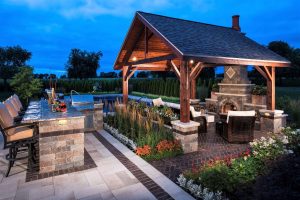
Focal Points in Landscapes
Creating effective focal points in landscape design.
Read More

Balance in Landscape Design
Understand the importance of balance in landscape design.
Read More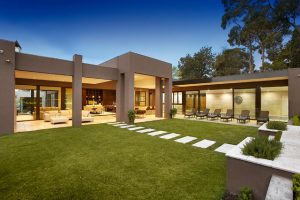
Creating Functional Spaces
Creating Functional Spaces: Designing Outdoor Areas for Practical Beauty Key...
Read More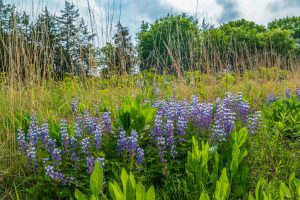
Carbon Sequestration Landscapes
Learn how landscapes can sequester carbon and combat climate change.
Read More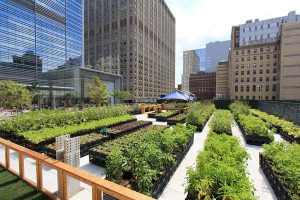
Urban Farming and Landscaping
Learn how to create productive urban farms in your landscape.
Read More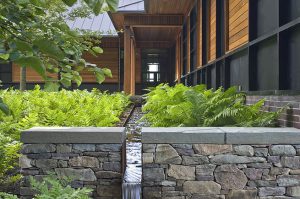
Water-Efficient Landscape Design
Water-Efficient Landscape Design: Creating Beautiful, Sustainable Gardens Key Takeaways: Water-efficient...
Read More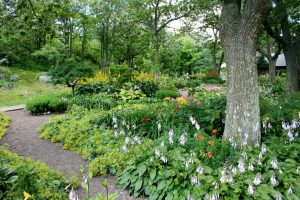
Wildlife-Friendly Landscaping
Create a landscape that attracts and supports local wildlife.
Read More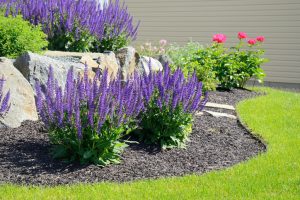
Low-Maintenance Landscaping
Low-Maintenance Landscaping: Beauty Without the Burden Key Takeaways Low-maintenance landscaping...
Read More